

As a widely used grading and screening machine in mining, building materials, chemical engineering, grain processing and other industries, the operating noise of multi-deck vibrating screens is a key concern for customers during purchase and use. In principle, a vibrating screen generates vibration through vibrating motors to drive the screen body in a reciprocating or elliptical motion, so as to achieve material stratification and screening. This process inevitably produces some vibration and sound, but high-quality multi-deck vibrating screens feature strictly controlled noise levels within a safe and acceptable range.
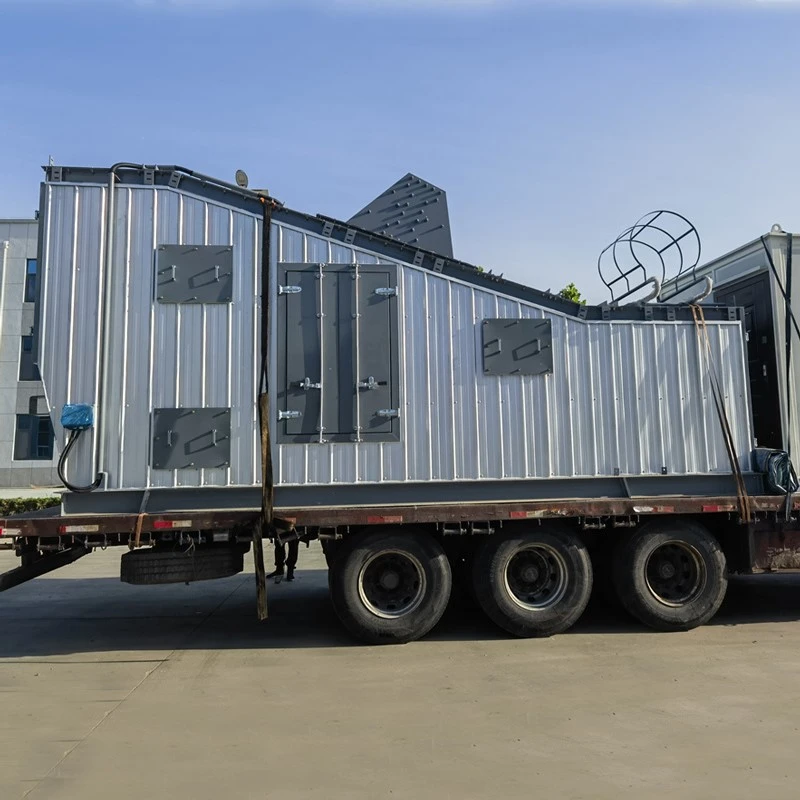
In terms of structural design, noise reduction is an important focus in equipment development. The screen frame is usually welded with thickened steel to enhance overall rigidity, minimizing abnormal noise caused by structural resonance during operation. As the main source of noise, vibrating motors are selected with dynamic balance calibration to reduce electromagnetic noise and mechanical friction noise at the source. In addition, rubber damping springs or pads are installed at the base to effectively isolate rigid contact between the screen body and the foundation, avoid resonance noise caused by vibration transmission, and cushion the impact of excitation force, greatly reducing the overall operating noise.
In actual application scenarios, the noise level of a multi-deck vibrating screen is closely related to installation standards, material characteristics and maintenance conditions. Optimal noise performance is achieved when the equipment is installed on a solid, level concrete foundation with properly installed and undamaged damping components. Noise from material impact on the screen mesh and frame is relatively low when screening dry, evenly sized materials. Although noise may increase slightly when screening high-hardness or widely graded materials, it remains controllable. Daily maintenance such as tightening loose bolts, replacing worn screens and removing foreign blockages can effectively prevent abnormal noise and ensure steady low-noise operation.
In terms of on-site application experience, a qualified multi-deck vibrating screen operating continuously at full load produces noise that will not harm operators' health or affect normal communication, nor will it interfere with surrounding equipment or the production environment. Compared with similar screening equipment, the multi-deck vibrating screen provides superior noise control due to its optimized damping structure and mature noise-reduction design. Its noise performance meets general production requirements in both enclosed indoor workshops and open-air sites, without affecting production efficiency or working conditions.
Overall, the multi-deck vibrating screen is not a high-noise machine. As long as the equipment is of reliable quality, properly installed and regularly maintained, its operating noise will remain within a reasonable range. Users do not need to worry excessively about noise problems. While maintaining high screening efficiency, the equipment also provides good environmental adaptability, creating a relatively quiet and stable working environment suitable for continuous production in various industries.
