

An electric steam boiler is a type of boiler where the steam is generated using electricity, rather than through the combustion of a fuel source. Such boilers are used to generate steam for process purposes in many locations, for example laundries, food processing factories and hospitals. Although they are more expensive to run than gas-fired or oil-fired boilers they are popular because of their simplicity and ease of use. Because of the large currents required, they are normally run from a three-phase electricity supply. They convert electrical energy into thermal energy with almost 100% efficiency but the overall thermal efficiency is variable, depending on the efficiency with which the electricity is generated.
Benefits of Electric Steam Boiler
Efficiency and cost-effectiveness
One of the significant benefits of electric steam boilers is their high efficiency. Electric boilers can achieve efficiency levels of up to 99%, significantly higher than their gas and oil counterparts. This efficiency translates to lower operating costs and reduced energy consumption, making them an attractive option for businesses looking to save on expenses.
Environmentally friendly
Electric steam boilers produce zero emissions, making them a green choice for companies aiming to reduce their carbon footprint. With increasing regulatory pressure to minimize environmental impact, electric boilers offer a sustainable solution that complies with stringent environmental standards.
Safety and maintenance
Safety is a paramount concern in any industrial setting, and electric steam boilers excel in this regard. They eliminate the risk of gas leaks, explosions, and other hazards associated with fuel-based boilers. Additionally, electric boilers have fewer moving parts, which reduces maintenance requirements and enhances their longevity.
Compact design
Electric steam boilers are designed to be compact and easy to install, making them an excellent choice for facilities with limited space. Their small footprint allows for flexible placement options, ensuring they can fit into tight spaces without compromising performance.
Rapid startup and shutdown
Electric boilers have the advantage of rapid startup and shutdown times, allowing for quick response to changing steam demands. This feature is particularly beneficial in applications where steam is needed on demand, as it minimizes downtime and enhances operational efficiency.
Advanced control systems
Modern electric steam boilers are equipped with advanced control systems that provide precise regulation of temperature, pressure, and steam output. These systems offer user-friendly interfaces and remote monitoring capabilities, enabling operators to optimize performance and ensure safe operation.


Why Choose Us
Our Company
We have more than 130 employees and cover an area of 108 acres, with a total construction area of 29,800 square meters. The first production workshop is 6,800 square meters, the second production workshop is also 6,800 square meters, and the third production workshop is 13,600 square meters. The research and development lab covers 2,600 square meters, the office research and development building is 3,000 square meters, and the living quarters span 1,380 square meters.
Honors and Qualifications
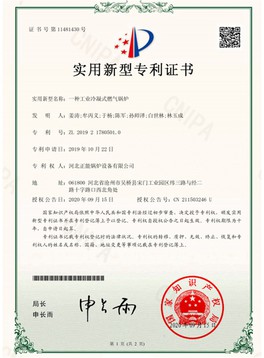
The company has obtained an A2-level pressure vessel license, an A-level boiler manufacturing license, a pipeline pressure fitting license, and GB2 and GC2 pipeline installation licenses. We have also passed ISO 9001 quality management system certification and have been recognized as a high-tech enterprise in Hebei Province.
Production Equipment
Our excellent facilities and manufacturing equipment are guarantees of quality products. Our company has invested in advanced processing and testing equipment from both domestic and international sources, including a laser CNC cutting machine, a CNC drilling machine, automatic submerged arc welding machines, automatic cylinder circular seam welding machines, and real-time online imaging testing equipment. These ensure the reliability of our product quality.
Our Service
The company has a comprehensive after-sales service network to provide full support for your needs. We aim to help you achieve satisfaction with our equipment and ensure that any issues encountered during use are resolved promptly, with our thoughtful service.
What is the Difference of Electric Steam Boiler vs Gas Steam Boiler
Electric steam boilers differ from gas steam boilers in their energy source and the heating method used to produce steam. Here are their main differences:
Energy Source
Electric steam boilers use electricity, while gas steam boilers use natural gas or propane as fuel.
Boiler Efficiency
Electric steam boilers are generally more efficient than gas steam boilers because electric boilers convert almost all of the electricity they consume into heat, while gas boilers lose some energy during the combustion process, reducing overall efficiency.
Heating Method
Electric steam boilers generate heat through resistance heating elements, which heat water to produce steam. Gas steam boilers generate flames by burning natural gas or propane to heat water to produce steam.
Environmental Impact
Electric steam boilers have zero emissions at the point of use, but their overall environmental impact depends on the source of electricity. If the electricity comes from renewable energy, the environmental impact is less. Gas steam boilers emit combustion byproducts, including greenhouse gases, which contribute to air pollution and climate change.
Installation and Operation
Electric steam boilers are easier to install and operate, do not require flues or chimneys, and do not have the safety issues of fuel storage and combustion. Gas boilers require proper ventilation and exhaust systems and comply with safety regulations for fuel storage and handling.
Cost
The cost comparison between electric steam boilers and gas steam boilers depends on local energy costs, boiler size, and usage patterns. In some areas, electricity may be more expensive than natural gas, making gas boilers more cost-effective. However, the initial installation cost and maintenance requirements of gas boilers are generally higher.

The Electric Steam Boilers Market size is expected to develop revenue and exponential market growth at a remarkable CAGR during the forecast period from 2023–2030. The growth of the market can be attributed to the increasing demand for Electric Steam Boilers owning to the Power, Petrochemical, Paper, Mining, Textile, Food Industry, Others Applications across the global level. The report provides insights regarding the lucrative opportunities in the Electric Steam Boilers Market at the country level. The report also includes a precise cost, segments, trends, region, and commercial development of the major key players globally for the projected period.
The Electric Steam Boilers Market report represents gathered information about a market within an industry or various industries. The Electric Steam Boilers Market report includes analysis in terms of both quantitative and qualitative data with a forecast period of the report extending from 2023 to 2030. The report is prepared to take into consideration various factors such as Product pricing, Product or services penetration at both country and regional levels, Country GDP, market dynamics of parent market & child markets, End application industries, major players, consumer buying behavior, economic, political, social scenarios of countries, many others. The report is divided into various segments to offer a detailed analysis of the market from every possible aspect of the market.
The overall report focuses on primary sections such as – market segments, market outlook, competitive landscape, and company profiles. The segments provide details in terms of various perspectives such as end-use industry, product or service type, and any other relevant segmentation as per the market' s current scenario which includes various aspects to perform further marketing activity. The market outlook section gives a detailed analysis of market evolution, growth drivers, restraints, opportunities, and challenges, Porter' s 5 Force' s Framework, macroeconomic analysis, value chain analysis and pricing analysis that directly shape the market at present and over the forecasted period. The drivers and restraints cover the internal factors of the market whereas opportunities and challenges are the external factors that are affecting the market. The market outlook section also gives an indication of the trends influencing new business development and investment opportunities.
Power Generation
Steam boilers are commonly used for power generation. They are used in power plants to produce electricity by generating high-pressure steam that drives turbines. The turbines, in turn, generate electricity. The energy produced by a single steam turbine can power entire cities. It is an efficient and reliable source of power generation.
Food and Beverage Industry
Steam boilers play an important role in the food and beverage industry. They are used to sterilize equipment, pasteurize products, and steam cook food. Steam boilers allow manufacturers to maintain a clean and sterile production environment while ensuring the quality of their products. In addition, it is an economical and energy-efficient method for heating.
Chemical Industry
The chemical industry needs to produce steam to aid in the reaction process for chemical synthesis. Steam boilers are used to generate steam for various process needs, from heating and separation to sterilization and cleaning. They are versatile machines and play an integral role in the chemical industry.
Textile Industry
The textile industry is another industry that relies heavily on steam boilers. Steam is used for dyeing and drying processes, and steam boilers are used to produce hot water for the cleaning and finishing of textile products. The use of steam boilers in the textile industry ensures that the textile products are produced efficiently and with high quality.
Healthcare Industry
Steam boilers are also commonly used in the healthcare industry. Hospitals rely on steam for numerous applications such as cleaning, sterilizing medical tools, and providing space heating. The use of steam boilers in the healthcare industry is necessary for maintaining a clean and healthy environment.
Paper and Pulp Industry
The paper and pulp industry uses steam boilers to generate heat and energy for their production processes. Steam boilers are used for drying and cooking of wood fibers, which is essential for paper production. They also are used for the production of steam for power generation and other industrial applications.
How Does an Electric Steam Boiler Work
Curious about how an electric steam boiler operates? Let' s break it down for you. Several key components work together to ensure the efficient production of steam. Here' s how it works:
Water Supply System
The boiler is equipped with an automatic control system that manages the water supply. Using liquid controllers or high, medium, and low-level probes, the system controls the operation of the water pump, ensuring the appropriate amount of water is supplied to the boiler.
Combustion Chamber and Heating System
Unlike traditional boilers that use fuel, electric steam boilers use electric resistance or electromagnetic induction to generate heat. The heating system heats the water in the boiler' s chamber to produce steam.
Automatic Control System
The automatic control system ensures that the water pump operates efficiently. When the water level drops to a low point, the water pump activates to add more water. Once the high water level is reached, the pump stops, maintaining a consistent water level.
Pressure Regulation
A pressure switch or relay regulates the steam pressure within the boiler. As steam is generated and used, the pressure fluctuates. The control system ensures that the pressure remains within the set limits for safe and efficient operation.
Steam Generation
The electric heating elements continuously heat the water in the boiler. As the water heats up, steam is produced and accumulates. The pressure gauge on the control panel or at the top of the boiler indicates the current steam pressure.
Safety Protection System
The boiler is equipped with various safety features to protect against potential issues. These include automatic shut-off in case of high pressure, low water levels, or other malfunctions.
Boiler Drum
The boiler drum is the central pressure vessel where the water is heated and steam is generated.
Furnace or Combustion Chamber
This is the area where the fuel (e.g. coal, oil, or gas) is burned to provide the heat needed to generate steam.
Tubes
The tubes carry the hot gases from the furnace and transfer heat to the water, converting it to steam.
Water Tubes
These are tubes that allow water to circulate through the boiler, absorbing heat from the hot gases.
Air Preheater
The air preheater uses the hot flue gases to preheat the air going into the furnace, increasing combustion efficiency.
Mud Drum
The mud drum collects any sediment or impurities that settle out of the water, allowing them to be removed.
Economizer
The economizer preheats the feed water before it enters the boiler, improving the boiler's efficiency.
Steam Drum
The steam drum separates the steam from the water, providing dry steam to the steam distribution system.
Blowdown System
The blowdown system removes some of the water from the boiler to control the concentration of dissolved solids.
When performing maintenance on electric steam boilers, the first step is to ensure safety. First, be sure to disconnect the power supply and release the internal pressure of the boiler.
The maintenance of the burner is very important. It should be removed from the boiler body every two months and carefully cleaned of carbon deposits and dust. The light-receiving surface of the photoelectric tube needs to be wiped once a month to maintain its sensitivity. The fuel filter must be kept clean and the filter screen in the oil pump should be cleaned regularly, but the seal should not be damaged. It is important to avoid running the burner without oil to avoid damaging the oil pump.
The cleaning of the water level gauge cannot be ignored. The cleaning valve should be opened and flushed once a day to ensure a clear display of the water level. The inspection of the safety valve is also very important. It needs to be turned once a day to prevent failure due to rust.
When the boiler is out of service for a long time, the maintenance work is more meticulous. For dry maintenance, first drain the boiler water, clean the internal dirt, and then use the burner's low fire to dry the furnace body (pay attention to control the time to prevent damage to the boiler). After the gas is exhausted, close all pipeline valves and check once every three months. If the shutdown period does not exceed one month, it is recommended to adopt wet maintenance, that is, drain the boiler water, fill it with clean water after draining, cut off the power supply and close the valve to keep the boiler in good condition.

Our Factory
Hebei Zhengneng Boiler Equipment Co., Ltd. was established in August 2013, is a focus on the development, production and sales of science and technology production enterprises
Hebei Zhengneng Boiler Equipment Co., Ltd. has more than 130 employees. Covers an area of 108 acres, the total construction area of 29,800 square meters, the first production workshop 6800 square meters. The second production workshop is 6,800 square meters, the third production workshop is 13,600 square meters, the research and development experiment workshop is 2,600 square meters, the office research and development building is 3,000 square meters, and the living building is 1,380 square meters.


Certifications
The company has obtained A2-level pressure vessel license, A-level boiler manufacturing license, pipeline pressure fitting license, GB2 and GC2 pipeline installation license, and passed ISO9001 quality management system certification, and won the high-tech enterprise of Hebei Province.


FAQ
We're professional electric steam boiler manufacturers and suppliers in China, specialized in providing high quality customized service. We warmly welcome you to buy electric steam boiler at competitive price from our factory. Contact us for quotation.
Electric Heating Steam Boiler, Commercial Electric Steam Boiler