

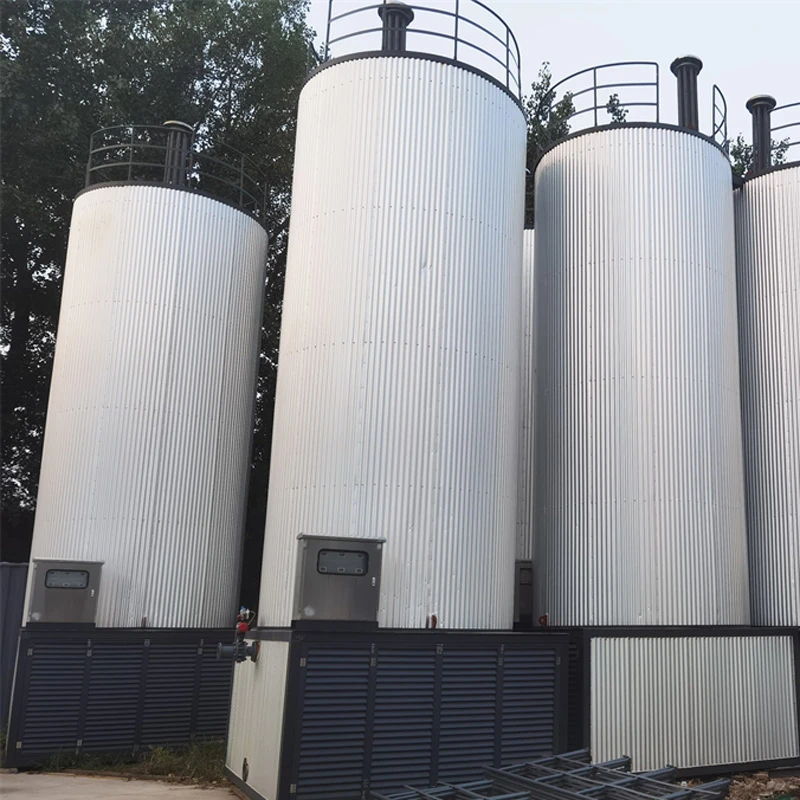
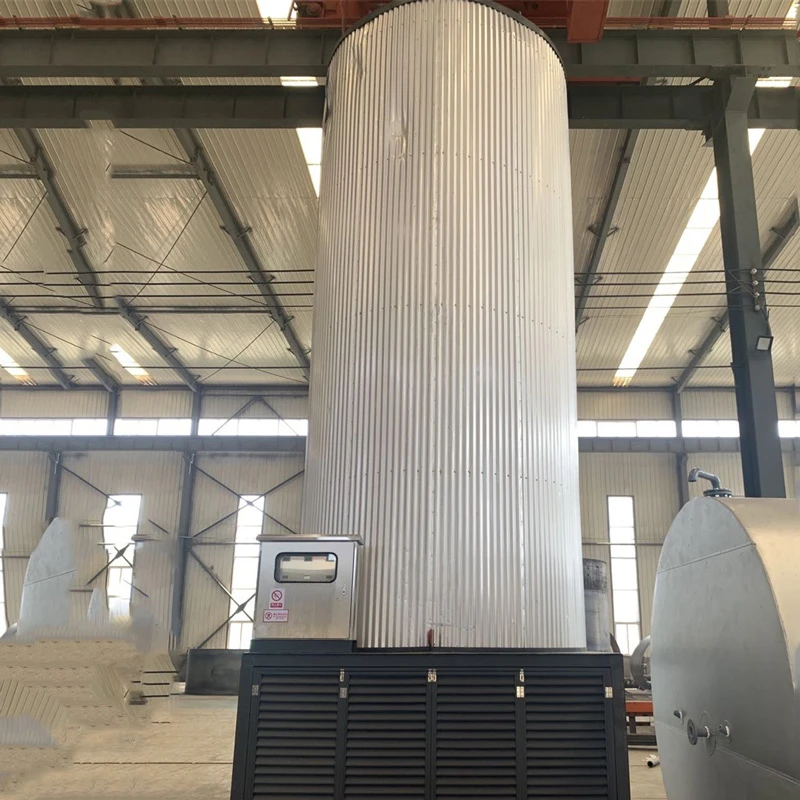
During prolonged operation, an Electric Heating Asphalt Tank may develop residual asphalt buildup, localized deposits, pipeline blockages, or component wear. Without proper cleaning and maintenance, these issues may interfere with asphalt storage and transportation and increase the operating burden on the heating system. Establishing a systematic routine for inspection and maintenance helps preserve equipment performance and extend its service life.
First, the exterior of the equipment should be cleaned regularly. If asphalt accumulates on the tank surface, inlet and outlet ports, or connection points during operation, it should be removed appropriately to prevent further buildup. Cleaning tools and methods should be selected according to the surface materials and the characteristics of the asphalt. Tools or chemicals that could damage the tank, seals, or other components should be avoided. The surrounding area should also be kept clean, with debris and asphalt residues removed promptly to maintain a safe working environment.
Second, the internal condition of the tank should be monitored. During storage and heating, asphalt may leave residues or deposits because of prolonged use, improper temperature management, or the characteristics of the material itself. If these substances accumulate over time, they may reduce the effective storage space and negatively affect asphalt quality or transportation. Internal inspections and cleaning should therefore be scheduled according to equipment usage, asphalt type, and actual operating conditions. All internal cleaning must follow the equipment manufacturer's instructions. Personnel must not enter the tank until the equipment has been properly shut down, isolated, cooled, and confirmed safe for entry.
Third, the inlet and outlet ports and associated pipelines should be inspected regularly. Asphalt has a relatively high viscosity, and if its temperature is not properly maintained or the equipment remains unused for an extended period, residual material may solidify and restrict flow. Operators should monitor material flow and inspect pipeline connections for leaks, blockages, and abnormal accumulation. If the flow becomes restricted, the causes should be investigated by checking the temperature, valve positions, and pipeline condition. Pipelines must not be dismantled arbitrarily while hot or pressurized.
Fourth, the heating system requires routine inspection. An Electric Heating Asphalt Tank relies on its heating system to provide thermal energy. Operators should observe whether the system functions normally and check electrical connections, control devices, and related components for abnormalities. If the heating rate changes noticeably, temperature readings become abnormal, unusual odors occur, or unexpected noises develop, the relevant operations should be stopped and the equipment inspected by qualified personnel. Electrical components should not be dismantled without proper authorization, and safety protection devices must not be bypassed.
Safety must remain the priority throughout cleaning and maintenance. Hot asphalt can cause serious burns, while the electric heating system presents risks of electric shock and electrical failure. Before cleaning, the equipment should be shut down, disconnected from the power supply, and confirmed safe for the intended work. If internal tank entry is necessary, the appropriate confined-space safety procedures must also be followed.
In summary, daily cleaning and maintenance of an Electric Heating Asphalt Tank should cover exterior cleaning, internal inspection, pipeline maintenance, heating system checks, and shutdown management. Proper operating procedures and regular inspections help reduce equipment failure risks and maintain stable asphalt storage and transportation.