

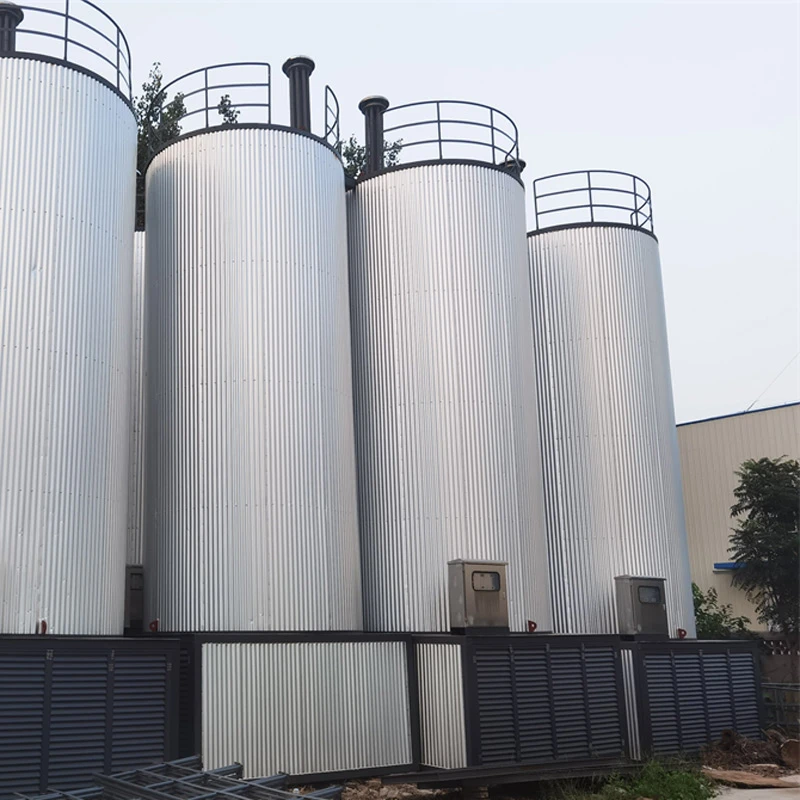
An Electric Heating Asphalt Tank is designed to store, heat, and maintain the temperature of asphalt. It uses electrical energy to generate heat and provide the necessary thermal energy to the asphalt, helping maintain a suitable temperature during storage and use. Asphalt is widely used in road construction, pavement maintenance, waterproofing projects, and related industrial production. However, its viscosity changes with temperature. When the temperature decreases, asphalt generally becomes more viscous and less fluid, making transportation, metering, and construction more difficult. Therefore, proper heating and temperature maintenance are important for asphalt storage and handling.
First, an Electric Heating Asphalt Tank meets the heating requirements of asphalt. Before asphalt can be used, it generally needs to be heated to a suitable working temperature according to its material characteristics and the requirements of the specific process. The tank transfers heat to the asphalt through its internal heating system, allowing the material to gradually reach the condition required for subsequent operations. Proper heating helps improve asphalt flowability and makes handling easier.
Second, an Electric Heating Asphalt Tank can be used for asphalt storage and temperature maintenance. During road construction and asphalt processing, the material may need to be stored temporarily for a certain period. If its temperature continues to decrease during storage, its viscosity may increase, affecting subsequent use. Appropriate heating and insulation can help minimize unnecessary temperature fluctuations and maintain suitable flowability until the asphalt is needed. The actual insulation performance depends on factors such as tank construction, insulation design, ambient temperature, and operating practices.
Third, an Electric Heating Asphalt Tank helps make asphalt handling more convenient. In production and construction environments where asphalt is used continuously, stable heating conditions can reduce difficulties caused by unsuitable material temperatures. Operators can organize asphalt heating, storage, and usage according to production schedules, helping make related operations more orderly and efficient.
In addition, an Electric Heating Asphalt Tank can serve as a storage and supply unit within an asphalt handling system. It can work alongside conveying equipment, pumping systems, and other auxiliary devices. By coordinating the heating, storage, and transportation processes, users can improve workflow continuity and reduce interruptions caused by insufficient asphalt flowability. The specific equipment configuration should be determined according to the actual tank design and production process.
Temperature management is also important when operating an Electric Heating Asphalt Tank. Higher temperatures are not always better for asphalt. Excessive heating or prolonged exposure to unsuitable high temperatures may change the material's properties. Therefore, the heating process should be controlled according to the type of asphalt, process requirements, and equipment operating instructions. Particular attention should be paid to preventing localized overheating and unnecessary heat loss.
In conclusion, the primary purpose of an Electric Heating Asphalt Tank is to provide suitable conditions for asphalt heating, storage, and temperature maintenance. It helps maintain the material in an appropriate working condition and supports road construction, asphalt processing, and related production activities. Proper use of the equipment can improve asphalt handling efficiency and facilitate subsequent transportation and construction operations.