

Hey there! I'm a supplier of Vacuum Hot Water Boilers, and today I wanna chat about the water quality requirements for these nifty machines.
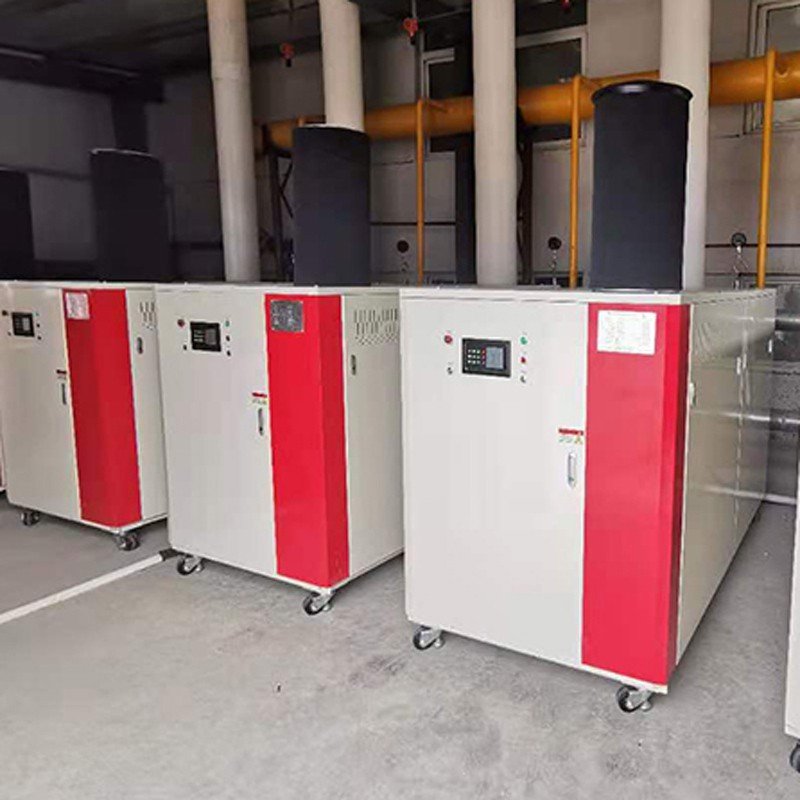
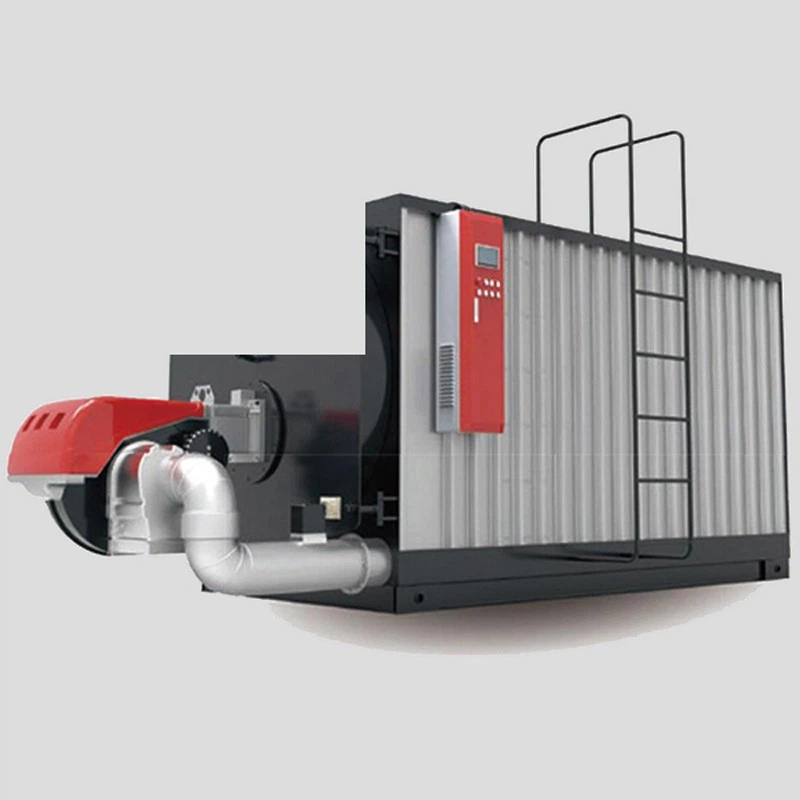
First off, let's understand what a Vacuum Hot Water Boiler is. It's a type of boiler that operates under vacuum conditions, which offers several advantages like high efficiency, safety, and long - term reliability. You can learn more about it on this page: Vacuum Hot Water Boiler.
So, why is water quality so important for a Vacuum Hot Water Boiler? Well, the water inside the boiler is the medium that transfers heat. If the water quality is poor, it can lead to a bunch of problems. For example, scale formation can occur when there are high levels of minerals in the water. Scale acts as an insulator, reducing the heat transfer efficiency of the boiler. This means the boiler has to work harder to produce the same amount of heat, which not only wastes energy but also increases the wear and tear on the boiler components.
Let's start with the basic parameters of water quality.
1. Hardness
Hardness is mainly caused by the presence of calcium and magnesium ions in the water. In a Vacuum Hot Water Boiler, the hardness of the water should be kept as low as possible. Generally, the recommended hardness is less than 0.03 mmol/L. When the water hardness is high, calcium and magnesium salts will precipitate out as the water is heated, forming scale on the heating surfaces. This scale can reduce the heat transfer coefficient, increase energy consumption, and even cause local overheating, which may damage the boiler tubes.
To control water hardness, water softening equipment is often used. These devices work by exchanging calcium and magnesium ions with sodium ions, effectively reducing the hardness of the water. There are different types of water softeners available on the market, such as ion - exchange resin softeners.
2. pH Value
The pH value of the water is also crucial. The ideal pH range for the water in a Vacuum Hot Water Boiler is between 7 and 11. A pH value within this range helps to prevent corrosion of the boiler's metal components. If the pH is too low (acidic), it can cause the metal to corrode. On the other hand, if the pH is too high (alkaline), it can lead to the formation of alkaline scale and other problems.
To adjust the pH value, chemicals can be added to the water. For example, if the water is too acidic, sodium hydroxide can be added to increase the pH. If it's too alkaline, acid - based chemicals can be used to lower it. However, it's important to add these chemicals carefully and monitor the pH regularly to ensure it stays within the appropriate range.
3. Dissolved Oxygen
Dissolved oxygen in water can cause corrosion of the boiler's metal parts. In a Vacuum Hot Water Boiler, the dissolved oxygen content should be less than 0.1 mg/L. Oxygen reacts with the metal in the boiler to form iron oxide, which is a form of corrosion. This corrosion can weaken the boiler structure over time and reduce its service life.
To remove dissolved oxygen from the water, deaeration equipment is commonly used. There are two main types of deaerators: thermal deaerators and mechanical deaerators. Thermal deaerators work by heating the water to near - boiling point, which causes the dissolved oxygen to escape. Mechanical deaerators use a combination of physical and chemical methods to remove oxygen.
4. Total Dissolved Solids (TDS)
Total Dissolved Solids refer to the total amount of inorganic and organic substances dissolved in the water. In a Vacuum Hot Water Boiler, the TDS should be controlled. Generally, the TDS should be less than 2000 mg/L. High TDS can lead to increased scale formation and can also affect the performance of the boiler's control systems.
To reduce TDS, methods such as reverse osmosis or distillation can be used. Reverse osmosis is a popular method as it can effectively remove a wide range of dissolved solids from the water.
Now, besides these basic water quality parameters, there are also some other aspects to consider.
Microbiological Contamination
Microorganisms in the water can also cause problems. Bacteria, algae, and fungi can grow in the boiler water, especially in warm and moist environments. These microorganisms can form biofilms on the boiler surfaces, which can reduce heat transfer efficiency and cause corrosion.
To prevent microbiological contamination, biocides can be added to the water. However, it's important to choose biocides that are compatible with the boiler materials and the other water treatment chemicals.
Suspended Solids
Suspended solids in the water can settle at the bottom of the boiler or on the heating surfaces, causing blockages and reducing heat transfer. The water should be filtered to remove suspended solids before it enters the boiler. Filters with different pore sizes can be used depending on the size of the suspended particles.
As a Vacuum Hot Water Boiler supplier, I know that ensuring proper water quality is not only beneficial for the performance and longevity of the boiler but also for the overall cost - effectiveness of the heating system. If you're using other types of boilers, you might also be interested in Fully Premixed Hot Water Boiler and Gas Fired Hot Water Boiler. Each type of boiler has its own characteristics and water quality requirements, but in general, maintaining good water quality is a key factor for all of them.
If you're in the market for a Vacuum Hot Water Boiler or have any questions about water quality for your existing boiler, don't hesitate to reach out. We're here to provide you with the best solutions and ensure that your boiler operates at its best. Whether you need advice on water treatment equipment or have questions about the installation and maintenance of the boiler, our team of experts is ready to assist you.
Contact us to start a discussion about your boiler needs and let's work together to find the perfect solution for your heating requirements.
References
- ASME Boiler and Pressure Vessel Code
- Water Treatment Handbook for Industrial Boilers