

As a supplier of low nitrogen steam boilers, one of the most common questions I receive from clients is about the water quality requirements for these boilers. Ensuring the right water quality is crucial for the efficient and long - term operation of a low nitrogen steam boiler. In this blog, I'll delve into the specific water quality requirements and explain why they matter.
Why Water Quality is Important for Low Nitrogen Steam Boilers
Low nitrogen steam boilers, such as Low Nitrogen Condensing Steam Boiler and Gas Low Nitrogen Steam Boiler, are designed to operate with high efficiency and low emissions. However, poor water quality can lead to several problems.
Firstly, scale formation is a major issue. When water contains high levels of dissolved minerals like calcium and magnesium, these minerals can precipitate out of the water as the water is heated. The scale that forms on the boiler tubes and heat exchange surfaces acts as an insulator, reducing the heat transfer efficiency. This means the boiler has to work harder to produce the same amount of steam, leading to increased energy consumption and higher operating costs.
Secondly, corrosion can occur if the water has an improper pH level or contains high levels of oxygen and other corrosive substances. Corrosion can damage the boiler components, leading to leaks, reduced boiler lifespan, and potential safety hazards.
Key Water Quality Parameters
1. Total Dissolved Solids (TDS)
Total dissolved solids refer to the combined content of all inorganic and organic substances present in a liquid in molecular, ionized, or micro - granular (colloidal sol) suspended form. For low nitrogen steam boilers, the TDS level should be carefully controlled. High TDS levels can cause foaming in the boiler water. Foaming can lead to carryover of water droplets into the steam, which can contaminate the steam - using equipment and cause operational problems. In general, the TDS level in the boiler water should be maintained below a certain limit, typically around 3000 - 5000 ppm (parts per million), depending on the boiler design and operating conditions.
2. Hardness
Hardness is mainly caused by the presence of calcium and magnesium ions in the water. As mentioned earlier, these ions can form scale. For low nitrogen steam boilers, the hardness of the feedwater should be as low as possible. Ideally, the hardness should be less than 10 ppm. Water softening processes such as ion - exchange softeners are commonly used to reduce the hardness of the water before it enters the boiler.
3. pH Level
The pH level of the boiler water is a critical parameter. A pH level between 10.5 and 12.5 is generally recommended for low nitrogen steam boilers. A pH within this range helps to prevent corrosion. If the pH is too low (acidic), the water can corrode the metal components of the boiler. On the other hand, if the pH is too high (alkaline), it can cause caustic embrittlement, a form of stress - corrosion cracking in the boiler's metal parts.
4. Dissolved Oxygen
Dissolved oxygen in the boiler water is a major cause of corrosion. Oxygen reacts with the metal surfaces in the boiler, forming iron oxides (rust). To prevent this, the dissolved oxygen content in the feedwater should be reduced to very low levels, typically less than 0.007 ppm. Deaerators are commonly used to remove oxygen from the feedwater. These devices work by heating the water and allowing the oxygen to escape as a gas.
5. Alkalinity
Alkalinity in the boiler water is important for maintaining the proper pH level and preventing corrosion. It is mainly due to the presence of bicarbonates, carbonates, and hydroxides in the water. The total alkalinity of the boiler water should be maintained within a certain range, usually between 300 and 600 ppm.
Water Treatment for Low Nitrogen Steam Boilers
To meet the water quality requirements, proper water treatment is essential. There are several steps involved in the water treatment process for low nitrogen steam boilers.
1. Pretreatment
Pretreatment is the first step in the water treatment process. It involves removing large particles, sediment, and debris from the water. This can be done using filters such as sand filters or multimedia filters. Pretreatment also includes water softening to reduce the hardness of the water.
2. Chemical Treatment
Chemical treatment is used to control the pH level, prevent scale formation, and inhibit corrosion. Chemicals such as alkaline builders are added to adjust the pH level and maintain the alkalinity of the water. Scale inhibitors are used to prevent the precipitation of minerals and the formation of scale. Corrosion inhibitors are added to protect the boiler metal from corrosion.
3. Deaeration
As mentioned earlier, deaeration is crucial for removing dissolved oxygen from the feedwater. Deaerators can be either atmospheric or vacuum deaerators. Atmospheric deaerators operate at or near atmospheric pressure and use steam to heat the water and remove the oxygen. Vacuum deaerators operate under vacuum conditions, which allows for more efficient oxygen removal at lower temperatures.
Impact of Water Quality on Different Types of Low Nitrogen Steam Boilers
Different types of low nitrogen steam boilers, such as WNS Series Steam Boiler, may have slightly different water quality requirements based on their design and operating characteristics.
For example, condensing low nitrogen steam boilers are more sensitive to water quality because they are designed to recover heat from the flue gas by condensing the water vapor in the flue gas. If the boiler water contains high levels of impurities, these impurities can be carried over into the condensate, which can cause corrosion and fouling in the condensing heat exchanger.
Gas - fired low nitrogen steam boilers also require proper water quality to ensure efficient combustion and prevent damage to the burner and other components. Poor water quality can lead to the formation of deposits on the burner nozzles, which can affect the flame pattern and combustion efficiency.
Monitoring and Maintaining Water Quality
Regular monitoring of the water quality is essential to ensure that the boiler is operating under optimal conditions. Water samples should be taken from the boiler and the feedwater at regular intervals and analyzed for the key water quality parameters.
Based on the analysis results, appropriate adjustments can be made to the water treatment program. For example, if the TDS level is too high, blowdown can be increased to remove some of the concentrated boiler water and replace it with fresh feedwater. If the pH level is out of the recommended range, chemicals can be added to adjust the pH.
Conclusion
In conclusion, maintaining the right water quality is of utmost importance for the efficient, safe, and long - term operation of low nitrogen steam boilers. By controlling the key water quality parameters such as TDS, hardness, pH, dissolved oxygen, and alkalinity, and implementing proper water treatment processes, boiler owners can ensure that their boilers operate at peak performance, reduce energy consumption, and extend the boiler lifespan.
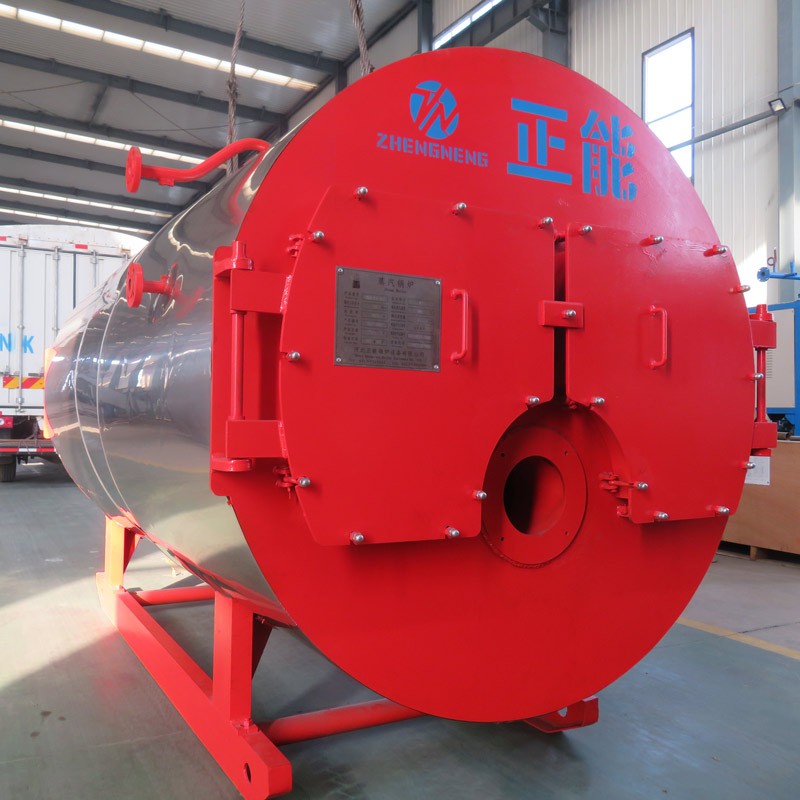

If you are considering purchasing a low nitrogen steam boiler or need more information about water quality requirements and water treatment for your existing boiler, please feel free to contact us. We are a professional low nitrogen steam boiler supplier with extensive experience in providing high - quality boilers and comprehensive after - sales services. Our team of experts can help you select the right boiler for your needs and ensure that it operates under the best possible conditions.
References
- "Steam Boiler Water Treatment Handbook" by Boiler Manufacturers Association
- "Water Quality Guidelines for Industrial Boilers" by American Society of Mechanical Engineers (ASME)