

Hey there! As a supplier of Gas Low Nitrogen Steam Boiler, I often get asked about the noise level of these boilers during operation. It's a valid concern, especially for those who are planning to install a boiler in a residential area or a place where noise can be a nuisance. So, let's dive into this topic and find out what the noise level of a gas low nitrogen steam boiler is all about.
First off, it's important to understand that the noise level of a boiler can vary depending on several factors. These factors include the type of boiler, its size, the quality of its components, and how well it's installed and maintained. In general, gas low nitrogen steam boilers are designed to operate quietly, but there can still be some noise associated with their operation.
One of the main sources of noise in a gas low nitrogen steam boiler is the burner. The burner is responsible for igniting the gas and creating the heat needed to produce steam. When the burner is operating, it can make a humming or roaring sound. However, modern gas low nitrogen burners are designed to be more efficient and quieter than their older counterparts. They use advanced combustion technology to reduce the amount of noise they produce.
Another source of noise in a boiler is the circulation pump. The pump is used to circulate the water or steam through the boiler and the heating system. It can make a whining or vibrating sound, especially if it's not properly maintained or if there's a problem with the pump. To reduce the noise from the circulation pump, it's important to make sure it's installed correctly and that it's regularly serviced.
The expansion and contraction of the boiler's pipes and components can also cause noise. As the boiler heats up and cools down, the metal pipes and components expand and contract, which can create a popping or cracking sound. This is a normal part of the boiler's operation and is usually not a cause for concern. However, if the noise is excessive or if it's accompanied by other symptoms, such as leaks or reduced performance, it's important to have the boiler inspected by a professional.
So, what is the typical noise level of a gas low nitrogen steam boiler during operation? The noise level of a boiler is usually measured in decibels (dB). A decibel is a unit of measurement that is used to express the intensity of sound. The higher the decibel level, the louder the sound.
On average, a gas low nitrogen steam boiler can produce a noise level of around 60 to 70 dB during operation. This is comparable to the noise level of a normal conversation or a dishwasher. However, the actual noise level can vary depending on the factors mentioned above. For example, a larger boiler or a boiler that's operating at a higher capacity may produce more noise than a smaller boiler.
To put the noise level of a gas low nitrogen steam boiler into perspective, here are some common noise levels for comparison:
- A whisper: 20 dB
- A normal conversation: 60 dB
- A dishwasher: 60 to 70 dB
- A vacuum cleaner: 70 to 80 dB
- A lawn mower: 90 dB
- A motorcycle: 100 dB
As you can see, the noise level of a gas low nitrogen steam boiler is relatively low compared to some other common household appliances and machinery. However, if you're sensitive to noise or if you're planning to install the boiler in a quiet area, you may want to take some steps to reduce the noise even further.
One way to reduce the noise from a boiler is to install it in a well-insulated room or enclosure. Insulation can help to absorb the sound and prevent it from spreading to other parts of the building. You can also use soundproofing materials, such as acoustic panels or blankets, to line the walls and ceiling of the boiler room.
Another way to reduce the noise is to choose a boiler that's designed to be quiet. Some manufacturers offer boilers with special noise-reducing features, such as insulated burner compartments or quiet pumps. When shopping for a boiler, be sure to ask the manufacturer or supplier about the noise level of the boiler and what steps they've taken to reduce it.
In addition to reducing the noise from the boiler itself, you can also take steps to reduce the noise from the pipes and ductwork that are connected to the boiler. Make sure the pipes are properly insulated and that they're not touching any other objects that could cause them to vibrate and make noise. You can also use flexible connectors to reduce the transmission of vibration from the boiler to the pipes.
If you're still concerned about the noise level of a gas low nitrogen steam boiler, you may want to consider getting a noise test done. A professional HVAC technician can use a sound level meter to measure the noise level of the boiler and determine if it's within acceptable limits. They can also provide you with recommendations on how to reduce the noise if necessary.

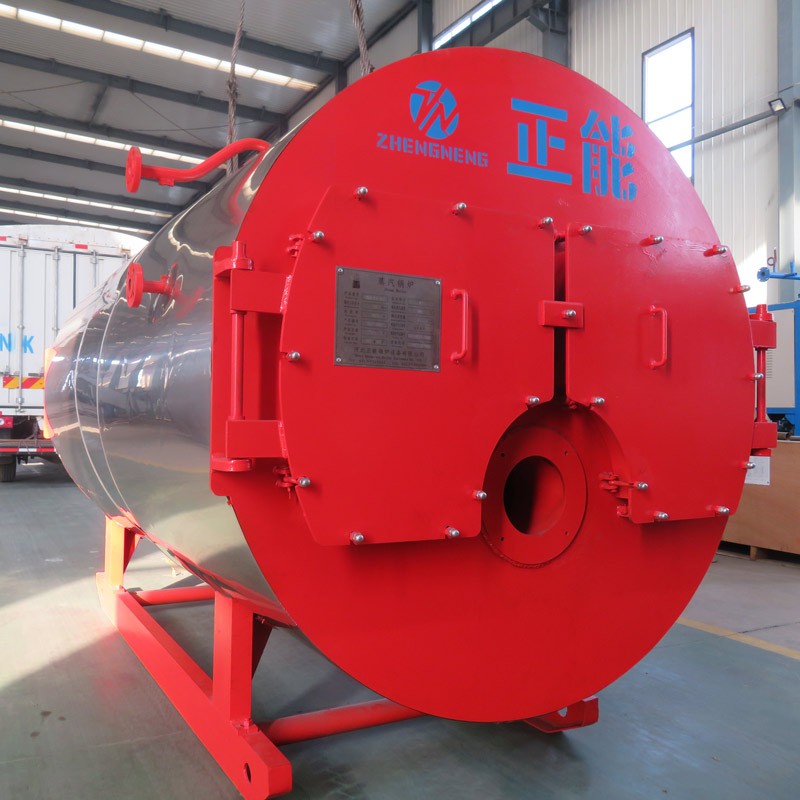
At our company, we offer a range of Gas Low Nitrogen Steam Boiler options, including WNS Condensing Steam Boiler and Low Nitrogen Condensing Steam Boiler. Our boilers are designed to be energy-efficient, reliable, and quiet. We use the latest technology and high-quality components to ensure that our boilers meet the highest standards of performance and safety.
If you're interested in learning more about our gas low nitrogen steam boilers or if you have any questions about the noise level or other aspects of our products, please don't hesitate to contact us. We'd be happy to help you find the right boiler for your needs and to answer any questions you may have. Our team of experts is always available to provide you with professional advice and support. So, whether you're a homeowner, a business owner, or an installer, we're here to assist you with all your boiler needs.
References
- ASHRAE Handbook - HVAC Systems and Equipment, American Society of Heating, Refrigerating and Air-Conditioning Engineers
- Boiler Installation and Maintenance Manuals from leading boiler manufacturers