

Hey there! I'm a supplier of Gas Low Nitrogen Steam Boilers, and I've been in this industry for quite a while. One question that often pops up from our customers is about the impact of ambient temperature on the operation of these boilers. So, I thought I'd share some insights on this topic.
First off, let's talk about what ambient temperature means. It's basically the temperature of the surrounding environment where the boiler is installed. This can vary a lot depending on the location, season, and even the time of day. For example, in the winter, the ambient temperature can drop to below freezing in some areas, while in the summer, it can soar to over 100°F (38°C) in others.
Now, how does this ambient temperature affect the operation of a Gas Low Nitrogen Steam Boiler? Well, there are a few key areas to consider.
Combustion Efficiency
One of the most important aspects of a boiler's operation is its combustion efficiency. This refers to how effectively the boiler burns the fuel (in this case, gas) to produce steam. Ambient temperature can have a significant impact on this.
When the ambient temperature is low, the air that enters the boiler for combustion is also cold. Cold air is denser than warm air, which means there's more oxygen per unit volume. This can actually lead to more complete combustion, as there's more oxygen available to react with the gas. In theory, this could result in higher combustion efficiency and lower emissions. However, there's a catch. Cold air also requires more energy to heat up to the combustion temperature. So, the boiler has to work harder to heat the incoming air, which can offset some of the benefits of the increased oxygen.
On the other hand, when the ambient temperature is high, the air is less dense. This means there's less oxygen per unit volume, which can lead to incomplete combustion. Incomplete combustion results in lower efficiency and higher emissions of pollutants like carbon monoxide and nitrogen oxides. Additionally, high ambient temperatures can cause the boiler to overheat, which can damage the components and reduce its lifespan.
Heat Transfer
Another important factor is heat transfer. The boiler needs to transfer heat from the combustion process to the water to produce steam. Ambient temperature can affect this process in several ways.
In cold ambient temperatures, the boiler loses heat to the surrounding environment more quickly. This means that more of the heat generated by the combustion process is wasted, and the boiler has to work harder to maintain the desired steam temperature. To compensate for this, the boiler may need to burn more fuel, which can increase operating costs.
In hot ambient temperatures, the opposite can happen. The surrounding environment is already warm, so the boiler doesn't lose as much heat to it. However, this can also make it more difficult for the boiler to dissipate heat, especially if the ventilation is poor. This can lead to overheating and reduced efficiency.
Boiler Controls
Modern Gas Low Nitrogen Steam Boilers are equipped with sophisticated control systems that are designed to optimize performance under different conditions. These controls can adjust the fuel-air ratio, the burner settings, and other parameters based on the ambient temperature and other factors.
For example, in cold weather, the controls may increase the amount of fuel being burned to compensate for the additional energy required to heat the incoming air. In hot weather, the controls may reduce the burner output to prevent overheating. However, these controls have their limits. If the ambient temperature is too extreme, the boiler may not be able to operate at its optimal efficiency.
Impact on Boiler Components
Ambient temperature can also have a direct impact on the boiler components. Cold temperatures can cause the metal parts of the boiler to contract, which can lead to leaks and other problems. Additionally, water in the boiler can freeze if the ambient temperature drops below freezing, which can cause serious damage to the pipes and other components.
High ambient temperatures can cause the components to expand, which can also lead to leaks and other issues. Moreover, high temperatures can accelerate the wear and tear of the components, reducing their lifespan.
How to Mitigate the Impact
So, what can you do to mitigate the impact of ambient temperature on your Gas Low Nitrogen Steam Boiler? Here are some tips:
- Proper Insulation: Insulating the boiler and the pipes can help reduce heat loss in cold weather and prevent overheating in hot weather. This can improve the boiler's efficiency and reduce operating costs.
- Ventilation: Make sure the boiler room is well-ventilated. Good ventilation helps to maintain a stable ambient temperature and ensures that there's enough fresh air for combustion.
- Regular Maintenance: Regular maintenance is essential to keep the boiler in good working condition. This includes checking the components for wear and tear, cleaning the burners, and calibrating the controls.
- Use of Controls: Take advantage of the boiler's control systems to optimize performance under different ambient temperatures. Make sure the controls are properly calibrated and adjusted.
Conclusion
In conclusion, ambient temperature has a significant impact on the operation of a Gas Low Nitrogen Steam Boiler. It affects combustion efficiency, heat transfer, boiler controls, and the components themselves. By understanding these effects and taking appropriate measures to mitigate them, you can ensure that your boiler operates at its best, regardless of the ambient temperature.
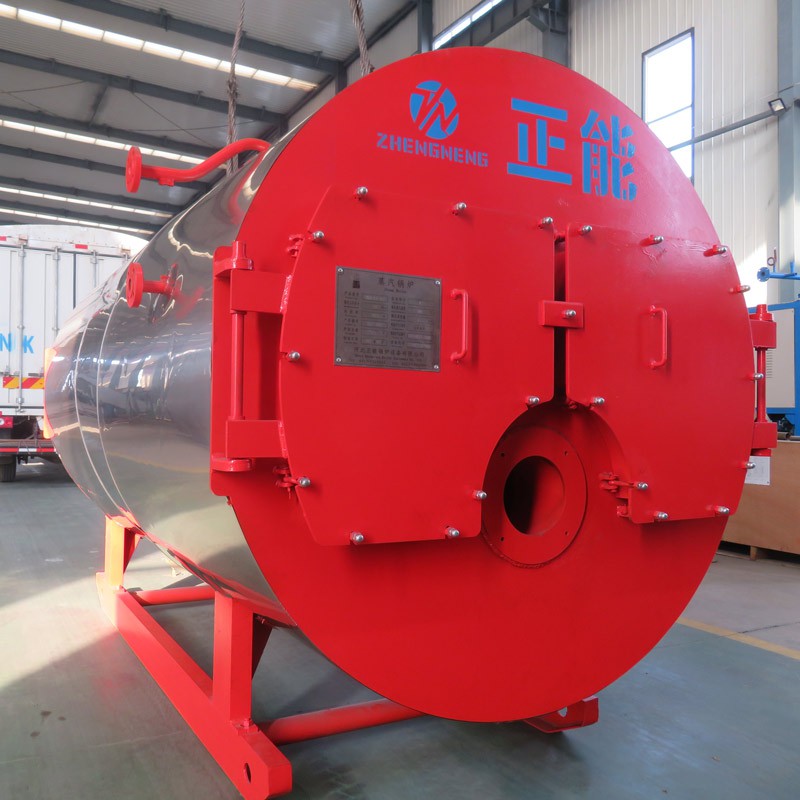

If you're in the market for a Gas Low Nitrogen Steam Boiler, we've got you covered. We offer a wide range of Gas Low Nitrogen Steam Boilers that are designed to be efficient, reliable, and environmentally friendly. Our Condensing Steam Boiler and Low Nitrogen Condensing Steam Boiler models are especially popular for their high performance and low emissions.
If you have any questions or would like to discuss your specific requirements, feel free to reach out to us. We're here to help you find the perfect boiler solution for your needs.
References
- "Boiler Efficiency and Combustion" by the U.S. Department of Energy.
- "The Impact of Ambient Temperature on Boiler Performance" by the American Boiler Manufacturers Association.