

What is the efficiency rating of a hot water boiler?
As a supplier of hot water boilers, I often get asked about the efficiency rating of these essential heating systems. Understanding the efficiency rating of a hot water boiler is crucial for both residential and commercial customers, as it directly impacts energy consumption, operational costs, and environmental sustainability. In this blog post, I'll delve into what the efficiency rating of a hot water boiler means, how it's measured, and why it matters.
Understanding Boiler Efficiency
The efficiency rating of a hot water boiler refers to the percentage of the energy input that is converted into useful heat output. In other words, it measures how effectively the boiler can turn fuel (such as gas, oil, or electricity) into hot water or steam for heating purposes. A higher efficiency rating indicates that the boiler is more effective at using energy, resulting in lower energy bills and reduced environmental impact.
There are two main types of efficiency ratings used to evaluate hot water boilers: thermal efficiency and annual fuel utilization efficiency (AFUE).
Thermal Efficiency
Thermal efficiency is a measure of how efficiently a boiler can convert fuel into heat at a specific point in time. It is typically expressed as a percentage and represents the ratio of the heat output to the heat input. For example, a boiler with a thermal efficiency of 90% means that 90% of the fuel's energy is converted into useful heat, while the remaining 10% is lost through various means, such as flue gases, radiation, and conduction.
Thermal efficiency is often used to compare the performance of different boiler models under ideal operating conditions. However, it does not take into account factors such as standby losses (the energy lost when the boiler is not actively heating) or cycling losses (the energy lost during the start-up and shut-down process).
Annual Fuel Utilization Efficiency (AFUE)
AFUE is a more comprehensive measure of a boiler's efficiency over an entire heating season. It takes into account not only the thermal efficiency but also the standby and cycling losses. AFUE is expressed as a percentage and represents the ratio of the total heat output over the course of a year to the total fuel energy input during the same period.
For example, a boiler with an AFUE of 85% means that, on average, 85% of the fuel's energy is used to heat the water or space, while the remaining 15% is lost. AFUE is the standard efficiency rating used in the United States for residential boilers and is required to be prominently displayed on the boiler's label.
Factors Affecting Boiler Efficiency
Several factors can affect the efficiency rating of a hot water boiler, including:
Boiler Type and Design
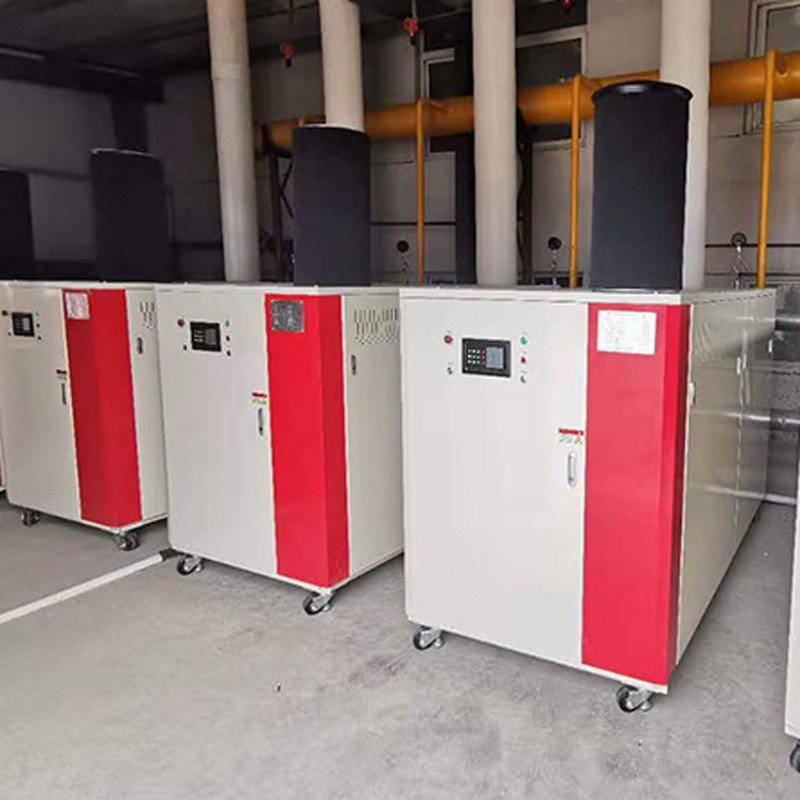
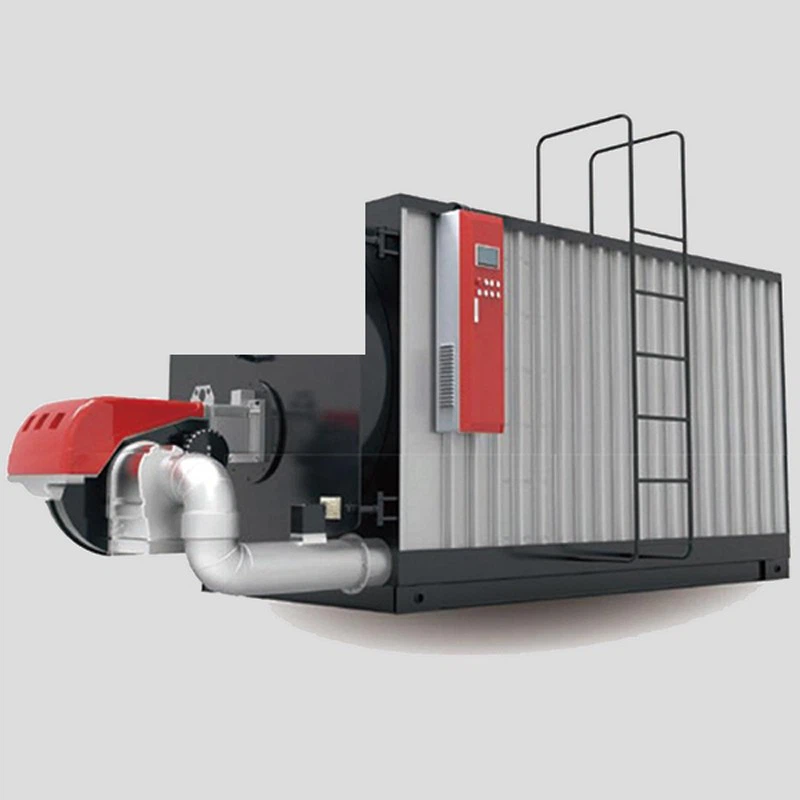
Different types of boilers have different efficiency ratings. For example, Electric Hot Water Boiler are generally more efficient than traditional gas or oil boilers because they do not produce any combustion by-products and have no flue losses. Vacuum Hot Water Boiler are also highly efficient, as they operate under a vacuum, which reduces the boiling point of water and allows for more efficient heat transfer.
The design of the boiler also plays a crucial role in its efficiency. Boilers with advanced features such as condensing technology, modulating burners, and high-quality insulation are generally more efficient than older, less sophisticated models.
Fuel Type
The type of fuel used in the boiler can have a significant impact on its efficiency. For example, natural gas is a clean-burning fuel that is generally more efficient than oil or propane. Electric boilers are also highly efficient, as they convert nearly 100% of the electrical energy into heat.
Maintenance and Operation
Proper maintenance and operation are essential for ensuring the optimal efficiency of a hot water boiler. Regular maintenance, such as cleaning the heat exchanger, checking the burner settings, and inspecting the flue system, can help prevent problems that can reduce efficiency, such as clogged burners, dirty heat exchangers, and leaky flues.
In addition, proper operation of the boiler, such as setting the thermostat at the appropriate temperature and avoiding overheating, can also help improve efficiency and reduce energy consumption.
Why Boiler Efficiency Matters
The efficiency rating of a hot water boiler is important for several reasons:
Energy Savings
A more efficient boiler can significantly reduce energy consumption and lower energy bills. For example, upgrading from an old, inefficient boiler to a new, high-efficiency model can save homeowners and businesses hundreds of dollars per year on their heating costs.
Environmental Impact
Using a more efficient boiler can also reduce the environmental impact of heating. By consuming less fuel, high-efficiency boilers produce fewer greenhouse gas emissions, such as carbon dioxide, which contribute to climate change.
Comfort and Performance
A high-efficiency boiler can provide more consistent and reliable heating, which can improve comfort levels in homes and businesses. In addition, modern boilers with advanced features, such as modulating burners and smart controls, can adjust the heat output based on the actual heating demand, resulting in more precise temperature control and reduced energy waste.
Choosing the Right Boiler for Your Needs
When choosing a hot water boiler, it's important to consider the efficiency rating as well as other factors, such as the size of the boiler, the type of fuel available, and the specific heating requirements of your home or business.
As a supplier of Gas Fired Hot Water Boiler, Electric Hot Water Boiler, and Vacuum Hot Water Boiler, I can help you select the right boiler for your needs. Our team of experts can provide you with detailed information about the efficiency ratings of our different boiler models, as well as help you calculate the potential energy savings and payback period.
If you're interested in learning more about our hot water boilers or would like to discuss your specific heating requirements, please don't hesitate to contact us. We're here to help you make an informed decision and ensure that you get the most efficient and reliable heating solution for your home or business.
References
- "Boiler Efficiency: What You Need to Know." Energy.gov.
- "Understanding Boiler Efficiency Ratings." The Spruce.
- "Annual Fuel Utilization Efficiency (AFUE)." U.S. Department of Energy.