

In the dynamic world of heating solutions, hot water boilers stand as a cornerstone for various applications, from residential comfort to industrial processes. As a seasoned hot water boiler supplier, I've witnessed firsthand the transformative power of emerging technologies in this field. These advancements not only enhance the efficiency and performance of hot water boilers but also contribute to a more sustainable and environmentally friendly future. In this blog post, I'll explore some of the latest technologies that are shaping the hot water boiler industry.
Condensing Technology
Condensing technology has revolutionized the hot water boiler market in recent years. Traditional boilers lose a significant amount of heat through the flue gases, which are expelled at high temperatures. Condensing boilers, on the other hand, are designed to capture and utilize this otherwise wasted heat. By cooling the flue gases below their dew point, condensing boilers condense the water vapor present in the gases, releasing latent heat in the process. This additional heat is then transferred to the water in the boiler, increasing its efficiency.
One of the key advantages of condensing technology is its high energy efficiency. Condensing boilers can achieve efficiency levels of up to 98%, compared to around 80% for non-condensing boilers. This means that less fuel is required to produce the same amount of hot water, resulting in lower energy bills and reduced carbon emissions. Additionally, condensing boilers are more environmentally friendly as they emit fewer pollutants into the atmosphere.
Variable Frequency Drive (VFD)
Variable Frequency Drive (VFD) technology is another significant advancement in hot water boilers. A VFD is an electronic device that controls the speed of an electric motor by adjusting the frequency of the electrical power supplied to it. In the context of hot water boilers, a VFD is used to control the speed of the circulator pump, which is responsible for circulating the hot water throughout the system.
By using a VFD, the circulator pump can be adjusted to match the actual demand for hot water. This means that the pump runs at a lower speed when the demand is low, reducing energy consumption and wear and tear on the pump. When the demand for hot water increases, the VFD can increase the speed of the pump to meet the demand. This results in significant energy savings and improved system performance.
Smart Controls
Smart controls are becoming increasingly popular in hot water boilers. These advanced control systems use sensors and algorithms to monitor and adjust the operation of the boiler in real-time. Smart controls can optimize the boiler's performance based on factors such as the outdoor temperature, the hot water demand, and the energy price.
For example, a smart control system can adjust the boiler's firing rate based on the outdoor temperature. When the weather is mild, the boiler can operate at a lower firing rate, reducing energy consumption. When the weather gets colder, the boiler can increase its firing rate to maintain the desired temperature. Smart controls can also be integrated with other building systems, such as the heating, ventilation, and air conditioning (HVAC) system, to provide a more comprehensive and efficient heating solution.
Vacuum Hot Water Boiler
Vacuum Hot Water Boiler technology is a unique and innovative approach to hot water heating. In a vacuum hot water boiler, the water in the boiler is heated under a vacuum environment. This reduces the boiling point of the water, allowing it to be heated at a lower temperature. As a result, vacuum hot water boilers are more energy-efficient and have a longer lifespan compared to traditional boilers.
Vacuum hot water boilers also offer several other advantages. They are safer to operate as there is no risk of explosion due to the vacuum environment. They are also quieter and produce less vibration, making them suitable for use in residential and commercial applications. Additionally, vacuum hot water boilers are more environmentally friendly as they emit fewer pollutants into the atmosphere.
Fully Premixed Hot Water Boiler
Fully Premixed Hot Water Boiler technology is another advanced solution in the hot water boiler market. In a fully premixed boiler, the fuel and air are mixed together in a precise ratio before they enter the combustion chamber. This ensures a more complete and efficient combustion process, resulting in higher energy efficiency and lower emissions.
Fully premixed hot water boilers also offer several other benefits. They have a faster response time, which means they can quickly adjust to changes in the hot water demand. They are also more reliable and require less maintenance compared to traditional boilers. Additionally, fully premixed hot water boilers are available in a wide range of sizes and capacities, making them suitable for various applications.
Gas Fired Hot Water Boiler
Gas Fired Hot Water Boiler technology is one of the most common and widely used heating solutions in the world. Gas fired hot water boilers use natural gas or propane as a fuel source to heat the water in the boiler. These boilers are known for their high efficiency, reliability, and low operating costs.
Gas fired hot water boilers are available in a variety of types and sizes, including condensing and non-condensing models. Condensing gas fired hot water boilers are more energy-efficient as they can capture and utilize the heat from the flue gases. Non-condensing gas fired hot water boilers are less expensive but have a lower efficiency. Gas fired hot water boilers are suitable for both residential and commercial applications.
Conclusion
The hot water boiler industry is constantly evolving, with new technologies emerging all the time. These advancements are making hot water boilers more efficient, reliable, and environmentally friendly. As a hot water boiler supplier, I'm excited to be at the forefront of this technological revolution. By offering the latest and greatest hot water boiler technologies, I can help my customers save energy, reduce costs, and contribute to a more sustainable future.
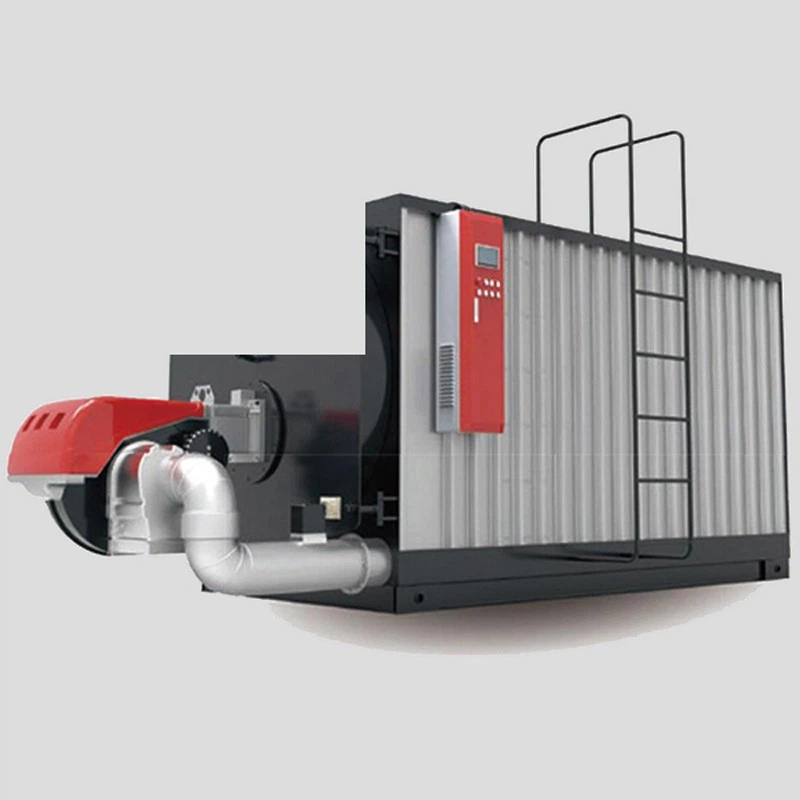

If you're in the market for a new hot water boiler or looking to upgrade your existing system, I encourage you to contact me to discuss your options. I can provide you with detailed information about the latest technologies and help you choose the right boiler for your specific needs. Let's work together to find the perfect hot water boiler solution for your home or business.
References
- ASHRAE Handbook of HVAC Systems and Equipment. American Society of Heating, Refrigerating and Air-Conditioning Engineers.
- Boiler Efficiency and Emissions Control. U.S. Department of Energy.
- Energy Efficiency Standards for Residential Boilers. U.S. Environmental Protection Agency.