

When it comes to supplying electric hot water boilers, one critical factor that often gets overlooked is the altitude at which the boiler will operate. High - altitude areas present unique challenges that necessitate specific adjustments to ensure the efficient and safe operation of electric hot water boilers. As a trusted supplier of Electric Hot Water Boiler, I've encountered numerous customers in high - altitude regions, and I'd like to share some insights on the adjustments required for our products in such areas.
Understanding the High - Altitude Environment
The most significant characteristic of high - altitude areas is the lower atmospheric pressure. As altitude increases, the air becomes thinner, and the atmospheric pressure drops. This change in pressure has a direct impact on the boiling point of water. At sea level, water boils at 100°C (212°F) under standard atmospheric pressure. However, at higher altitudes, the boiling point of water decreases. For example, at an altitude of 2,000 meters (6,562 feet), the boiling point of water is approximately 93°C (199°F).
This reduction in the boiling point means that water will reach its boiling state at a lower temperature. In the context of an electric hot water boiler, it can lead to premature boiling if the boiler is not properly adjusted. Premature boiling can cause issues such as excessive steam production, reduced efficiency, and potential damage to the boiler components.
Adjustments to the Temperature Control System
One of the primary adjustments needed for an electric hot water boiler in a high - altitude area is to the temperature control system. Most standard electric hot water boilers are calibrated for sea - level operation, where the boiling point of water is 100°C. To prevent premature boiling at high altitudes, the temperature setpoint on the boiler's control system needs to be lowered.
For instance, if a boiler is set to maintain a water temperature of 95°C at sea level, in a high - altitude area with a boiling point of 93°C, this setting would cause the water to boil. By reducing the temperature setpoint to, say, 90°C, we can ensure that the water remains in a liquid state without reaching its boiling point. This adjustment not only prevents steam - related problems but also helps in maintaining a more stable and efficient operation of the boiler.
In addition to adjusting the setpoint, the temperature sensor on the boiler may also need to be recalibrated. The sensor is responsible for measuring the water temperature accurately and sending signals to the control system. At high altitudes, the reduced atmospheric pressure can affect the accuracy of the sensor. Recalibrating the sensor ensures that it provides precise temperature readings, allowing the control system to make appropriate adjustments.
Modifications to the Pressure Relief Valve
The pressure relief valve is a crucial safety component in an electric hot water boiler. Its main function is to release excess pressure from the boiler to prevent over - pressurization and potential explosions. At high altitudes, the lower atmospheric pressure can cause the pressure relief valve to operate differently compared to sea - level conditions.
Since the boiling point of water is lower at high altitudes, there is a greater likelihood of steam formation and an increase in pressure within the boiler. As a result, the pressure relief valve may need to be adjusted to a lower pressure setting. A standard pressure relief valve for a sea - level boiler may be set to open at a relatively high pressure. In a high - altitude area, this setting may be too high, and the valve may not open in a timely manner to release the excess pressure.
By adjusting the pressure relief valve to a lower pressure setting, we can ensure that it opens when the pressure inside the boiler reaches a safe level. This helps in preventing over - pressurization and protects the boiler from damage.

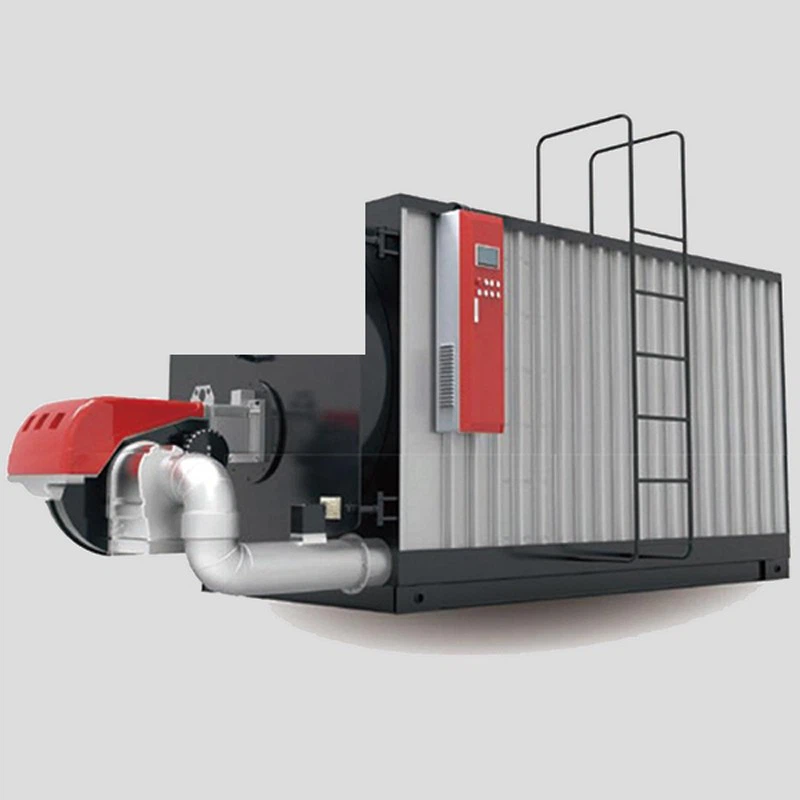
Impact on the Heating Element
The heating element in an electric hot water boiler is designed to heat water to a specific temperature. At high altitudes, due to the lower boiling point of water, the heating element may operate differently. If the water boils prematurely, the heating element may be exposed to steam instead of water. Steam is a poor conductor of heat compared to water, which means that the heating element may not transfer heat efficiently.
This can lead to overheating of the heating element, which can cause it to fail prematurely. To address this issue, the power output of the heating element may need to be adjusted. Reducing the power output can slow down the heating process, preventing the water from reaching its boiling point too quickly. This ensures that the heating element remains submerged in water and operates within its designed temperature range.
Considerations for Water Circulation
Proper water circulation is essential for the efficient operation of an electric hot water boiler. At high altitudes, the reduced atmospheric pressure can affect the flow of water within the boiler. The lower pressure can cause air bubbles to form more easily in the water, which can disrupt the normal circulation pattern.
To ensure adequate water circulation, the boiler's circulation pump may need to be adjusted. Increasing the pump's flow rate can help in pushing the water through the system more effectively, overcoming the effects of air bubbles. Additionally, the design of the boiler's piping system may need to be optimized to minimize the formation of air pockets and ensure smooth water flow.
Other Related Boiler Types and Their Adjustments
While our focus is on electric hot water boilers, it's worth mentioning that other types of hot water boilers, such as Vacuum Hot Water Boiler and Gas Fired Hot Water Boiler, also require adjustments in high - altitude areas.
Vacuum hot water boilers operate under a vacuum environment, which is designed to lower the boiling point of water. However, at high altitudes, the existing vacuum level may need to be adjusted to account for the already lower atmospheric pressure. This ensures that the boiler maintains its intended operating conditions and efficiency.
Gas - fired hot water boilers face different challenges at high altitudes. The lower oxygen content in the air at high altitudes can affect the combustion process. The burner on a gas - fired boiler may need to be adjusted to ensure proper air - fuel mixing and complete combustion. This may involve changing the burner settings or using a different type of burner that is more suitable for high - altitude operation.
Conclusion
In conclusion, operating an electric hot water boiler in a high - altitude area requires several important adjustments. From modifying the temperature control system and pressure relief valve to adjusting the heating element and water circulation, each adjustment plays a crucial role in ensuring the safe and efficient operation of the boiler. As a supplier of electric hot water boilers, we are committed to providing our customers with the necessary support and guidance to make these adjustments.
If you are in a high - altitude area and are considering purchasing an electric hot water boiler or need assistance with adjusting your existing boiler, we are here to help. Our team of experts has extensive experience in dealing with high - altitude applications and can provide you with customized solutions. Contact us today to discuss your requirements and start a procurement negotiation. We look forward to working with you to meet your hot water needs in high - altitude areas.
References
- Smith, J. (2018). "Boiler Operation at High Altitudes." Journal of Boiler Technology, 25(3), 45 - 52.
- Johnson, A. (2019). "Impact of Altitude on Heating Systems." International Journal of Heating and Cooling, 32(2), 67 - 74.
- Brown, C. (2020). "Adjusting Boiler Components for High - Altitude Use." Proceedings of the National Boiler Conference, 45 - 51.