

Hey there! As a supplier of low nitrogen steam boilers, I've had my fair share of experiences when it comes to getting these bad boys from our place to yours. Transporting a low nitrogen steam boiler isn't just about hooking it up to a truck and hitting the road. There are a whole bunch of things to consider to make sure it gets to you in one piece and ready to fire up.
First off, let's talk about the types of low nitrogen steam boilers we offer. We've got the Gas Low Nitrogen Steam Boiler, which is super efficient and uses gas as its fuel source. Then there's the Low Nitrogen Condensing Steam Boiler, which not only reduces nitrogen emissions but also recovers heat that would otherwise go to waste. And last but not least, the Condensing Steam Boiler, which is great for saving energy and money in the long run.
Now, onto the transportation process. The first step is to assess the size and weight of the boiler. These things can be pretty hefty, so we need to know exactly what we're dealing with. We use specialized equipment to measure the dimensions and weight accurately. This information is crucial because it helps us choose the right transport vehicle. For smaller boilers, a flatbed truck might do the trick. But for larger ones, we might need a heavy-duty trailer or even a custom-built transport rig.
Once we've got the right vehicle lined up, it's time to prepare the boiler for transport. We start by making sure it's properly secured. We use high-quality straps and braces to hold the boiler in place so it doesn't shift during transit. This is important because any movement can cause damage to the boiler or the transport vehicle. We also take extra precautions to protect the boiler's exterior. We wrap it in protective materials like bubble wrap or foam to prevent scratches and dents.
Another important aspect of preparation is to drain all the fluids from the boiler. This includes water, oil, and any other liquids. Draining the fluids not only reduces the weight of the boiler but also prevents any leaks during transport. We make sure to follow all the safety procedures when draining the fluids to avoid any spills or accidents.
Before we hit the road, we also conduct a final inspection of the boiler and the transport vehicle. We check for any loose parts, damaged straps, or other issues that could pose a problem during transit. We want to make sure everything is in tip-top shape before we start the journey.
During the transport, we have a team of experienced drivers who are well-trained in handling these large and heavy loads. They follow all the traffic rules and regulations and take extra care when driving on rough roads or in bad weather. We also use GPS tracking systems to monitor the location of the boiler at all times. This allows us to keep you updated on the progress of the delivery and make any necessary adjustments if there are any delays or issues.
Once the boiler arrives at its destination, we again conduct an inspection to make sure it's still in good condition. We check for any signs of damage that might have occurred during transport. If everything looks good, we then assist with the installation process. Our team of experts can help you set up the boiler and make sure it's working properly.
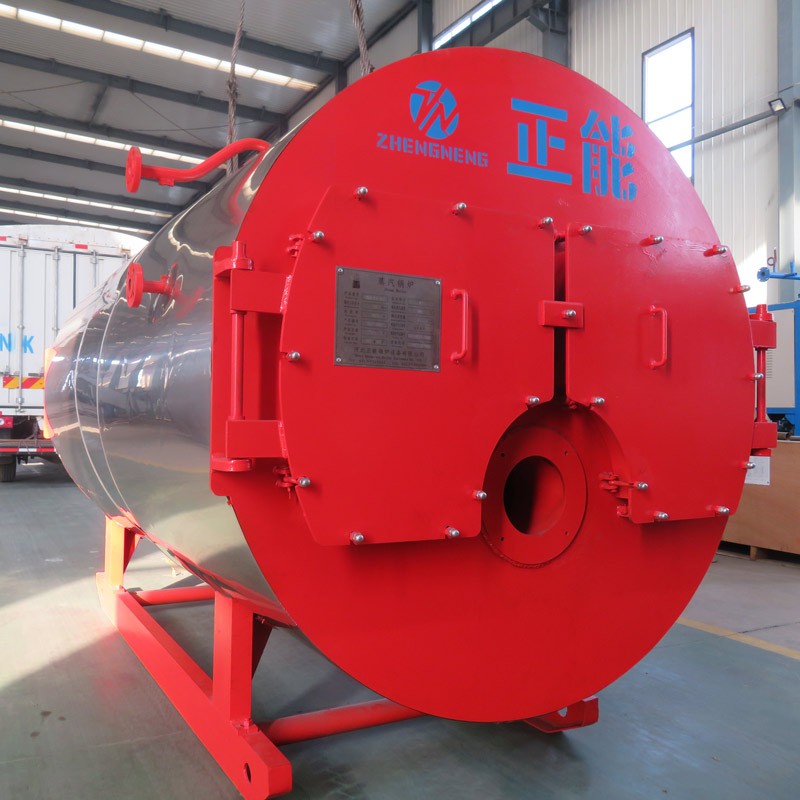

Transporting a low nitrogen steam boiler is a complex process that requires careful planning and attention to detail. But with our experience and expertise, we're able to ensure that your boiler gets to you safely and on time. If you're in the market for a low nitrogen steam boiler, don't hesitate to reach out to us. We'd be more than happy to discuss your needs and provide you with a quote. Whether you're a small business or a large industrial facility, we've got the right boiler for you. Let's work together to make your operations more efficient and environmentally friendly.
References:
- Industry standards and best practices for boiler transportation
- Manufacturer's guidelines for low nitrogen steam boiler preparation and transport