

Retrofitting a hot water boiler with modulating control is a strategic move that can significantly enhance the efficiency, performance, and cost - effectiveness of your heating system. As a hot water boiler supplier, I've witnessed firsthand the transformative impact that modulating control can have on various types of boilers, from Vacuum Hot Water Boiler to Electric Hot Water Boiler and Gas Fired Hot Water Boiler. In this blog, I'll guide you through the process of retrofitting a hot water boiler with modulating control.
Understanding Modulating Control
Before delving into the retrofit process, it's crucial to understand what modulating control is and why it's beneficial. Modulating control allows a boiler to adjust its output based on the actual heating demand. Unlike traditional on - off control systems, which operate at full capacity until the desired temperature is reached and then shut off completely, modulating boilers can vary their firing rate continuously. This means they can provide just the right amount of heat needed, reducing energy waste and improving comfort.
Assessing Your Boiler
The first step in retrofitting your hot water boiler with modulating control is to assess your existing boiler. Not all boilers are suitable for retrofitting. Older boilers, especially those with outdated technology or significant wear and tear, may not be able to support modulating control. You need to consider the following factors:
- Age and Condition: Check the age of your boiler. If it's approaching the end of its expected lifespan, it might be more cost - effective to replace it rather than retrofit. Also, look for signs of corrosion, leaks, or other damage that could affect the retrofit process.
- Boiler Type: Different types of boilers have different requirements for modulating control. For example, a Gas Fired Hot Water Boiler may require a different type of modulating burner than an Electric Hot Water Boiler.
- Capacity: Ensure that your boiler has the capacity to handle the variable output required by modulating control. If your boiler is already operating at or near its maximum capacity most of the time, modulating control may not provide significant benefits.
Selecting the Right Modulating Control System
Once you've determined that your boiler is suitable for retrofitting, the next step is to select the right modulating control system. There are several factors to consider when making this decision:
- Compatibility: The control system must be compatible with your boiler's make, model, and type. Some control systems are designed specifically for certain brands of boilers, while others are more universal.
- Features: Look for a control system that offers the features you need. For example, some systems allow for remote monitoring and control, which can be very convenient. Others may have advanced algorithms for optimizing energy efficiency.
- Cost: Compare the costs of different control systems, including the purchase price, installation costs, and long - term operating costs. Remember that a more expensive system may offer better performance and energy savings in the long run.
Preparing for the Retrofit
Before starting the retrofit process, you need to make some preparations:
- Gather Tools and Materials: You'll need a variety of tools, such as wrenches, screwdrivers, and electrical testers. Make sure you have all the necessary materials, including the modulating control system, wiring, and any additional components.
- Shut Down the Boiler: For safety reasons, you must shut down the boiler and turn off the power supply before starting any work. Follow the manufacturer's instructions for shutting down the boiler properly.
- Read the Manual: Carefully read the installation manual for the modulating control system. Make sure you understand all the steps and safety precautions before proceeding.
The Retrofit Process
The retrofit process can be complex and may require some technical knowledge. Here are the general steps:
- Remove the Existing Control System: If your boiler has an existing on - off control system, you'll need to remove it. This involves disconnecting the wiring and removing any mounting brackets.
- Install the Modulating Control System: Mount the new control system in a suitable location near the boiler. Connect the wiring according to the installation manual. Make sure all connections are secure and properly insulated.
- Calibrate the Control System: Once the control system is installed, you'll need to calibrate it to ensure it operates correctly. This may involve adjusting the setpoints, such as the temperature and pressure settings.
- Test the Boiler: After calibration, test the boiler to make sure it's operating properly. Check for any leaks, unusual noises, or other issues. Monitor the boiler's performance over a period of time to ensure it's providing the desired level of heating.
Benefits of Retrofitting with Modulating Control
Retrofitting your hot water boiler with modulating control offers several benefits:
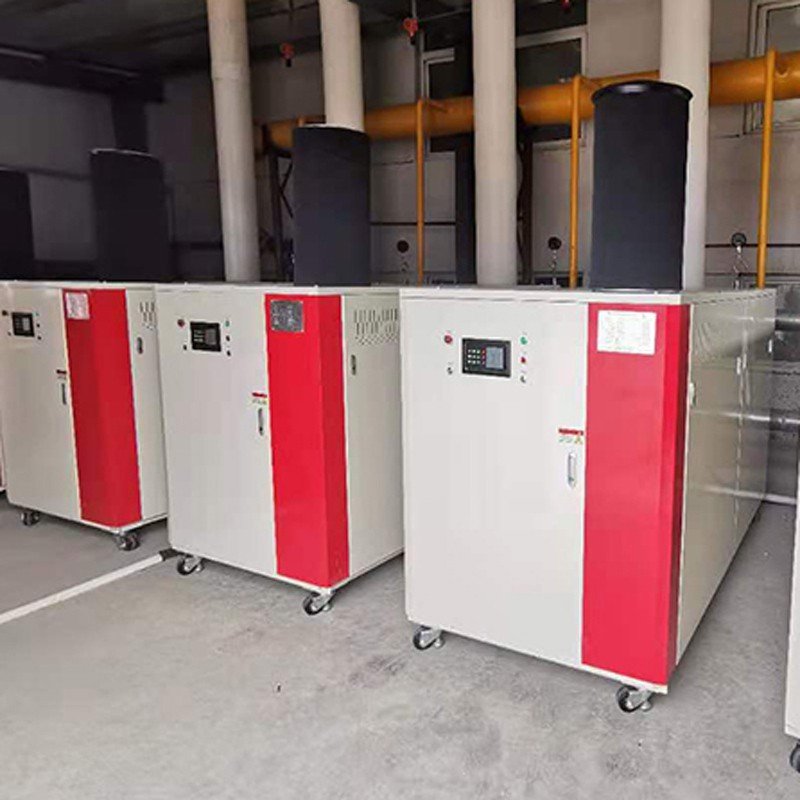

- Energy Savings: By adjusting the boiler's output based on the actual heating demand, modulating control can significantly reduce energy consumption. This can lead to lower utility bills and a smaller carbon footprint.
- Improved Comfort: Modulating boilers can maintain a more consistent temperature, providing a more comfortable environment. There are fewer temperature fluctuations, which can be especially beneficial in larger buildings or homes.
- Longer Boiler Lifespan: Since modulating boilers operate at a lower capacity most of the time, they experience less wear and tear. This can extend the lifespan of the boiler and reduce the need for frequent repairs.
Maintenance and Monitoring
After retrofitting your boiler with modulating control, it's important to perform regular maintenance and monitoring:
- Regular Inspections: Schedule regular inspections of the boiler and the control system. Check for any signs of wear, damage, or malfunction.
- Cleaning: Keep the boiler and the control system clean. Remove any dirt, debris, or dust that could affect their performance.
- Software Updates: If your control system has software, make sure to install any updates provided by the manufacturer. These updates can improve the system's performance and security.
Conclusion
Retrofitting a hot water boiler with modulating control is a worthwhile investment that can provide significant benefits in terms of energy savings, comfort, and boiler lifespan. As a hot water boiler supplier, I'm here to help you every step of the way. Whether you need advice on selecting the right control system or assistance with the retrofit process, don't hesitate to reach out. Contact us today to discuss your specific needs and start the journey towards a more efficient and cost - effective heating system.
References
- ASHRAE Handbook of HVAC Systems and Equipment.
- Boiler Manufacturer's Installation and Operation Manuals.