

Optimizing the performance of a biomass thermal oil boiler is a crucial task for both efficiency and cost - effectiveness. As a biomass thermal oil boiler supplier, I have witnessed firsthand the challenges and opportunities in this field. In this blog post, I will share some key strategies and considerations to help maximize the performance of these boilers.
1. Fuel Selection and Quality
The choice of biomass fuel has a profound impact on the performance of a thermal oil boiler. Different types of biomass, such as wood chips, sawdust, straw, and agricultural residues, have varying energy densities, moisture contents, and combustion characteristics.
- Energy Density: Biomass with a higher energy density, like wood pellets, can produce more heat per unit mass. This means that for a given boiler size, using a fuel with higher energy density can result in higher thermal output. For example, wood pellets typically have an energy density of around 16 - 18 MJ/kg, while some agricultural straws may have an energy density of 10 - 12 MJ/kg.
- Moisture Content: High moisture content in biomass reduces its heating value and can cause problems during combustion. When moisture is present, energy is first used to evaporate the water before the actual combustion of the biomass can occur. Ideally, the moisture content of biomass fuel should be below 20%. Suppliers should ensure proper storage and pre - treatment of biomass to control moisture levels. For instance, storing biomass in a dry, well - ventilated area and using drying equipment if necessary.
- Particle Size and Homogeneity: The particle size of the biomass affects its combustion efficiency. Smaller particles have a larger surface area, which allows for more rapid and complete combustion. However, if the particles are too small, they may be carried away by the flue gas before they are fully burned. A consistent particle size distribution is also important for stable combustion. Biomass should be processed to achieve an appropriate and uniform particle size.
We offer a variety of biomass thermal oil boilers, including Biomass Thermal Oil Heater Boiler, which are designed to work efficiently with different types of biomass fuels.
2. Combustion Optimization
Efficient combustion is the heart of a high - performing biomass thermal oil boiler. Several factors need to be considered to optimize the combustion process.
- Air Supply: Proper air supply is essential for complete combustion. The amount of air required depends on the type and quantity of biomass being burned. Too little air leads to incomplete combustion, resulting in the formation of carbon monoxide, unburned hydrocarbons, and soot. On the other hand, too much air can reduce the combustion temperature and waste energy. Advanced combustion control systems can adjust the air - fuel ratio in real - time based on the boiler's load and the characteristics of the biomass fuel.
- Combustion Chamber Design: The design of the combustion chamber plays a crucial role in ensuring efficient combustion. A well - designed combustion chamber provides sufficient space and time for the biomass to burn completely. It should also promote good mixing of the fuel and air. For example, some boilers use a staged combustion approach, where the fuel is burned in multiple stages to improve combustion efficiency and reduce emissions.
- Ignition System: A reliable ignition system is necessary to start the combustion process quickly and consistently. Modern ignition systems can be automated, ensuring that the boiler starts up smoothly every time. They also need to be able to handle different types of biomass fuels.
Our Chain Grate Thermal Oil Boiler features an optimized combustion chamber and advanced air supply system to ensure efficient combustion of biomass fuels.
3. Heat Transfer Enhancement
The efficiency of heat transfer from the combustion process to the thermal oil is another critical factor in boiler performance.
- Heat Exchanger Design: The heat exchanger is responsible for transferring heat from the hot flue gases to the thermal oil. A well - designed heat exchanger should have a large surface area and good thermal conductivity. Different types of heat exchangers, such as shell - and - tube or plate - type heat exchangers, can be used depending on the specific requirements of the boiler. The design should also minimize fouling and corrosion, which can reduce heat transfer efficiency over time.
- Thermal Oil Circulation: Proper circulation of the thermal oil is essential for efficient heat transfer. The thermal oil should flow through the heat exchanger at an appropriate rate to ensure that it absorbs the maximum amount of heat. A circulation pump is used to maintain the flow of the thermal oil, and its capacity should be carefully selected based on the boiler's size and heat output requirements.
- Insulation: Good insulation of the boiler and the thermal oil pipes is necessary to minimize heat loss. Heat loss can occur through the boiler walls and the pipes carrying the thermal oil. By using high - quality insulation materials, such as ceramic fiber or mineral wool, the amount of heat lost to the environment can be significantly reduced.
Our Biomass Thermal Oil Heater is equipped with a highly efficient heat exchanger and proper insulation to ensure maximum heat transfer and minimal heat loss.
4. Maintenance and Monitoring
Regular maintenance and monitoring are essential to keep the biomass thermal oil boiler operating at its best.

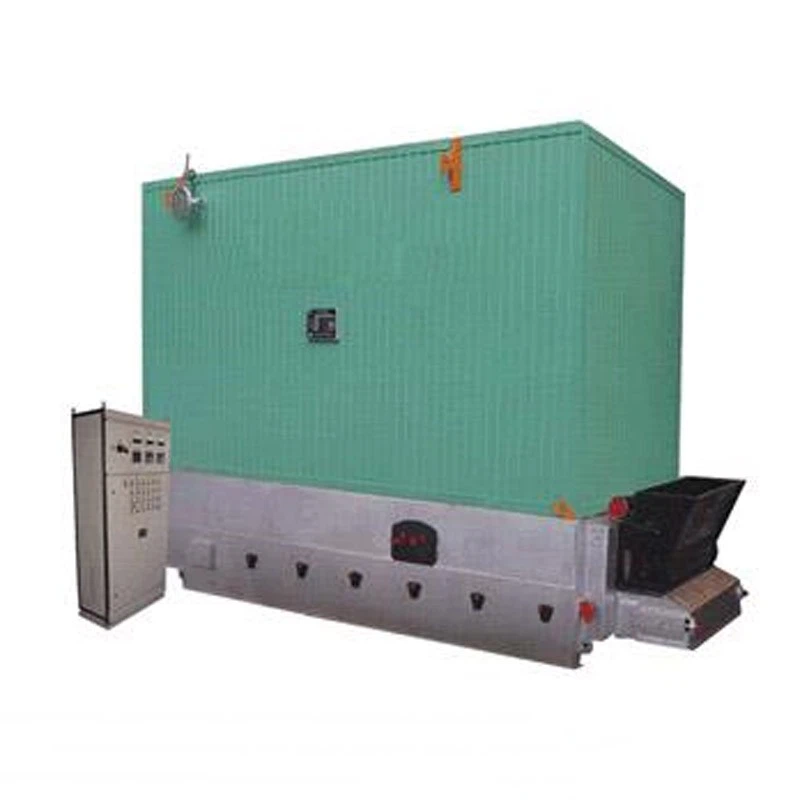
- Maintenance Schedule: A well - defined maintenance schedule should be established to ensure that all components of the boiler, such as the burner, heat exchanger, and circulation pump, are inspected and serviced regularly. This includes cleaning the combustion chamber, checking the air filters, and lubricating moving parts. Regular maintenance can prevent breakdowns and extend the lifespan of the boiler.
- Monitoring Systems: Installing monitoring systems can help operators keep track of the boiler's performance. These systems can measure parameters such as temperature, pressure, flow rate, and emissions. By analyzing the data from these monitoring systems, operators can detect any issues early and take corrective actions. For example, if the temperature of the thermal oil is not reaching the desired level, it may indicate a problem with the combustion or heat transfer process.
- Training for Operators: Proper training for boiler operators is crucial. Operators should be familiar with the operation, maintenance, and safety procedures of the biomass thermal oil boiler. They should also be able to interpret the data from the monitoring systems and make appropriate adjustments to the boiler's operation.
5. Emissions Control
In addition to performance optimization, controlling emissions from the biomass thermal oil boiler is also important for environmental compliance.
- Particulate Matter (PM) Control: Biomass combustion can produce particulate matter, such as ash and soot. Installing particulate filters, such as cyclone separators or bag - house filters, can effectively remove these particles from the flue gas. These filters should be regularly maintained to ensure their proper functioning.
- Nitrogen Oxides (NOx) and Sulfur Oxides (SOx) Control: Although biomass generally has lower sulfur content compared to fossil fuels, the formation of nitrogen oxides during combustion can still be a concern. Techniques such as staged combustion and selective non - catalytic reduction (SNCR) can be used to reduce NOx emissions. For SOx control, if the biomass has a relatively high sulfur content, flue gas desulfurization systems can be installed.
Conclusion
Optimizing the performance of a biomass thermal oil boiler requires a comprehensive approach that includes fuel selection, combustion optimization, heat transfer enhancement, maintenance and monitoring, and emissions control. As a biomass thermal oil boiler supplier, we are committed to providing high - quality boilers and technical support to help our customers achieve the best performance.
If you are interested in purchasing a biomass thermal oil boiler or need more information about optimizing its performance, please contact us for a detailed consultation. We look forward to working with you to meet your heating needs in an efficient and environmentally friendly way.
References
- Smith, J. (2018). Biomass Energy Systems: Principles and Applications. Elsevier.
- Brown, A. (2020). Handbook of Thermal Oil Boilers. CRC Press.
- International Energy Agency (IEA). (2019). Biomass for Heat and Power. IEA Publications.