

Maintaining a biomass thermal oil boiler is crucial for ensuring its efficient operation, longevity, and safety. As a supplier of biomass thermal oil boilers, I understand the importance of proper maintenance and am here to share some valuable insights and best practices.
Regular Inspection and Cleaning
Regular inspection is the cornerstone of biomass thermal oil boiler maintenance. Start by visually inspecting the boiler's exterior for any signs of damage, such as cracks, leaks, or corrosion. Check the insulation to ensure it is intact and providing adequate heat retention. Inside the boiler, inspect the tubes, heating surfaces, and combustion chamber for soot, ash, or other deposits. These deposits can reduce heat transfer efficiency and increase the risk of overheating.
Cleaning the boiler regularly is essential to remove these deposits. Use appropriate cleaning tools and techniques to avoid damaging the boiler components. For example, you can use a soft brush or compressed air to remove loose ash and soot from the tubes and heating surfaces. For more stubborn deposits, you may need to use a chemical cleaner or a high-pressure water jet. However, be sure to follow the manufacturer's instructions and safety precautions when using these cleaning methods.
Monitoring and Controlling Operating Parameters
Monitoring and controlling the operating parameters of the biomass thermal oil boiler is another critical aspect of maintenance. Keep a close eye on the temperature, pressure, flow rate, and other key indicators to ensure they are within the recommended range. Deviations from the normal operating parameters can indicate a problem with the boiler or its associated systems.
For example, if the temperature of the thermal oil is too high, it can cause thermal degradation of the oil, leading to reduced efficiency and increased maintenance costs. On the other hand, if the temperature is too low, it may not provide sufficient heat for the intended application. Similarly, if the pressure is too high, it can pose a safety risk, while low pressure may indicate a leak or a problem with the pump.
To monitor the operating parameters, use a reliable monitoring system that provides real-time data and alerts. This will allow you to detect and address any issues promptly. Additionally, establish a regular maintenance schedule to calibrate the monitoring equipment and ensure its accuracy.
Lubrication and Maintenance of Moving Parts
The biomass thermal oil boiler contains several moving parts, such as pumps, fans, and motors, which require regular lubrication and maintenance. Lubrication helps reduce friction and wear, extending the lifespan of the components and ensuring smooth operation.
Follow the manufacturer's recommendations for the type and frequency of lubrication. Use high-quality lubricants that are compatible with the materials and operating conditions of the equipment. In addition to lubrication, inspect the moving parts regularly for signs of wear, damage, or misalignment. Replace any worn or damaged parts promptly to prevent further damage and ensure the safe and efficient operation of the boiler.
Fuel Quality and Handling
The quality of the biomass fuel used in the thermal oil boiler can have a significant impact on its performance and maintenance requirements. Use high-quality biomass fuel that is free from contaminants, such as dirt, rocks, and metals. Contaminants can cause abrasion, corrosion, and blockages in the boiler components, leading to reduced efficiency and increased maintenance costs.
Proper fuel handling is also essential to ensure the safe and efficient operation of the boiler. Store the biomass fuel in a dry, well-ventilated area to prevent moisture absorption and mold growth. Use appropriate equipment to transport and feed the fuel into the boiler, ensuring a consistent and uniform fuel supply. Additionally, monitor the fuel consumption rate and adjust the feed rate as needed to maintain optimal combustion efficiency.
Water Treatment
If the biomass thermal oil boiler uses water for heating or cooling purposes, proper water treatment is essential to prevent scale formation, corrosion, and other water-related problems. Scale formation can reduce heat transfer efficiency, increase energy consumption, and damage the boiler components. Corrosion can lead to leaks, reduced lifespan, and safety hazards.
To prevent these problems, use a water treatment system that includes filtration, softening, and chemical treatment. Filtration removes suspended solids and debris from the water, while softening reduces the hardness of the water by removing calcium and magnesium ions. Chemical treatment involves adding chemicals to the water to prevent scale formation, corrosion, and microbial growth.
Follow the manufacturer's recommendations for the type and frequency of water treatment. Monitor the water quality regularly and adjust the treatment process as needed to maintain optimal water conditions.
Safety Checks and Maintenance
Safety is of utmost importance when operating a biomass thermal oil boiler. Conduct regular safety checks to ensure the boiler and its associated systems are in compliance with all relevant safety standards and regulations. Check the safety valves, pressure gauges, temperature sensors, and other safety devices to ensure they are functioning properly.
In addition to safety checks, perform regular maintenance on the safety devices to ensure their reliability. Replace any worn or damaged safety devices promptly and test them regularly to ensure they are working correctly. Provide proper training to the boiler operators on safety procedures and emergency response protocols to minimize the risk of accidents and injuries.

Training and Education
Proper training and education of the boiler operators are essential for the safe and efficient operation of the biomass thermal oil boiler. Provide comprehensive training on the boiler's operation, maintenance, safety procedures, and emergency response protocols. Ensure that the operators are familiar with the equipment, its controls, and the operating parameters.
In addition to initial training, provide ongoing education and refresher courses to keep the operators up-to-date with the latest technologies, regulations, and best practices. Encourage the operators to report any problems or concerns promptly and provide them with the necessary support and resources to address these issues.
Conclusion
Maintaining a biomass thermal oil boiler requires a comprehensive approach that includes regular inspection, cleaning, monitoring, lubrication, fuel quality control, water treatment, safety checks, and training. By following these best practices, you can ensure the safe, efficient, and reliable operation of your boiler, extending its lifespan and reducing maintenance costs.
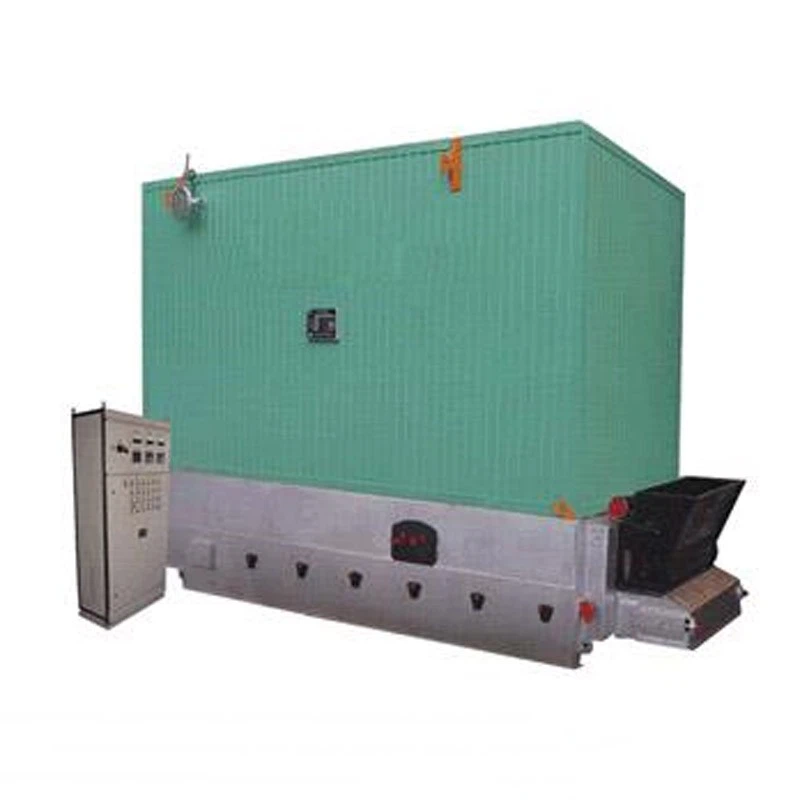
If you are interested in purchasing a biomass thermal oil boiler or need further information on maintenance and operation, please feel free to contact us. We are a leading supplier of Chain Grate Thermal Oil Boiler, Biomass Thermal Oil Heater, and Coal Fired Thermal Oil Boiler, and our team of experts is ready to assist you with your needs.
References
- Biomass Thermal Oil Boiler Manufacturer's Manual
- Boiler Operation and Maintenance Guidelines
- Safety Standards and Regulations for Thermal Oil Boilers