

Hey there! I'm a supplier of biomass thermal oil boilers, and I've been in this game for quite a while. One of the most common questions I get from customers is how to improve the reliability of these boilers. Well, I'm here to share some tips and tricks based on my experience.
1. Choose the Right Boiler Model
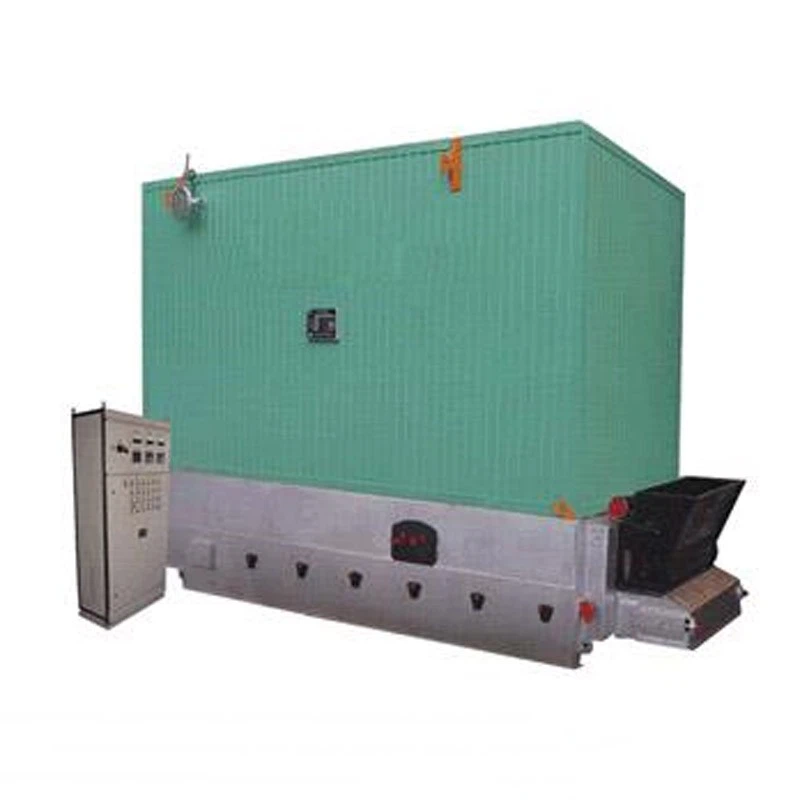
First things first, picking the right boiler model is crucial. We offer different types of biomass thermal oil boilers, like the Biomass Thermal Oil Heater Boiler and the Chain Grate Thermal Oil Boiler. Each model has its own features and advantages, and you need to consider your specific needs.
If you have a large - scale industrial operation with a high demand for heat, a more powerful and robust model might be the way to go. On the other hand, if you have a smaller facility, a more compact and energy - efficient boiler could be a better fit. You don't want to over - or under - size your boiler, as this can lead to reliability issues. An over - sized boiler may cycle on and off too frequently, which can wear out components faster. An under - sized boiler, on the other hand, may struggle to meet your heat requirements, causing it to work harder and potentially break down more often.

2. Use High - Quality Biomass Fuel
The quality of the biomass fuel you use has a huge impact on the reliability of your boiler. Biomass fuels can vary widely in terms of moisture content, calorific value, and ash content. You want to use fuel that is dry, has a high calorific value, and low ash content.
Moisture in the fuel can cause problems like incomplete combustion, which can lead to the formation of soot and tar in the boiler. This can clog the heat exchanger and other components, reducing the efficiency and reliability of the boiler. Ash can also build up over time and cause damage to the boiler's internal parts.
Make sure you source your biomass fuel from a reliable supplier. You can also consider doing some basic quality checks on the fuel before using it. For example, you can measure the moisture content using a moisture meter. If the moisture content is too high, you may need to dry the fuel before putting it into the boiler.
3. Regular Maintenance and Inspection
Just like any other piece of equipment, regular maintenance and inspection are essential for the reliable operation of a biomass thermal oil boiler. You should have a maintenance schedule in place and stick to it.
This includes things like cleaning the heat exchanger, checking the seals and gaskets for leaks, and inspecting the fuel feeding system. Over time, the heat exchanger can accumulate dirt and debris, which can reduce its ability to transfer heat efficiently. Cleaning it regularly can prevent this from happening.
You also need to check the seals and gaskets around the boiler. A leaky seal can not only lead to heat loss but also allow air or moisture to enter the boiler, which can cause corrosion and other problems.
Inspecting the fuel feeding system is important because any blockages or malfunctions in this system can disrupt the combustion process. Make sure the feeders are working properly and that there are no obstructions in the fuel pipes.
4. Train Your Operators
The people who operate the boiler play a big role in its reliability. You need to make sure your operators are well - trained and understand how to operate the boiler correctly.
They should know how to start and stop the boiler safely, how to adjust the fuel feed rate, and how to monitor the boiler's performance. They should also be aware of the signs of potential problems, such as abnormal noises or changes in temperature or pressure.
Proper training can prevent a lot of operator - error - related issues. For example, if an operator feeds too much fuel into the boiler at once, it can cause an unstable combustion process and potentially damage the boiler. On the other hand, if they don't feed enough fuel, the boiler may not be able to produce the required amount of heat.
5. Install Monitoring and Control Systems
Installing monitoring and control systems can greatly improve the reliability of your biomass thermal oil boiler. These systems can continuously monitor parameters such as temperature, pressure, and fuel flow rate.
If any of these parameters go out of the normal range, the monitoring system can send an alarm to the operator. This allows for quick action to be taken to prevent a breakdown.
Control systems can also help optimize the operation of the boiler. For example, they can automatically adjust the fuel feed rate based on the heat demand, ensuring that the boiler operates at its most efficient level.
6. Upgrade and Retrofit
As technology advances, you may want to consider upgrading or retrofitting your biomass thermal oil boiler. Newer models often come with improved features and designs that can enhance the reliability and efficiency of the boiler.
For example, there may be new types of heat exchangers that are more resistant to fouling and corrosion. Upgrading to one of these can extend the lifespan of your boiler and reduce the frequency of maintenance.
You can also retrofit your boiler with advanced control systems or fuel feeding mechanisms. This can improve the overall performance and reliability of the boiler without having to replace the entire unit.
7. Consider Backup Systems
In some cases, it may be a good idea to have a backup system in place. This can be a secondary boiler or a different source of heat.
A backup system can provide a safety net in case your primary boiler breaks down. It can ensure that your operations can continue without a significant interruption. Of course, having a backup system also means additional costs, but it can be well worth it in the long run, especially if your business depends heavily on the heat provided by the boiler.
Conclusion
Improving the reliability of a biomass thermal oil boiler requires a combination of the right equipment selection, proper fuel management, regular maintenance, well - trained operators, and the use of modern monitoring and control systems. By following these tips, you can significantly reduce the chances of breakdowns and ensure that your boiler operates smoothly for a long time.
If you're interested in purchasing a biomass thermal oil boiler or have any questions about improving the reliability of your existing boiler, don't hesitate to reach out. We're here to help you make the best decisions for your business.
References
- Biomass Boiler Handbook: A guide to the design, installation, and operation of biomass boilers.
- Industry research reports on biomass thermal oil boiler performance and reliability.
- Manufacturer's manuals for biomass thermal oil boilers.