

Hey there! As a supplier of Electric Hot Water Boiler, I've gotten tons of questions about how efficient these bad boys are, especially when it comes to underfloor heating. So, I thought I'd sit down and share some insights with you all.
First off, let's talk about what underfloor heating is. It's a sweet way to heat your home or commercial space. Instead of having those bulky radiators sticking out on the walls, you've got a system of pipes installed under the floor. These pipes carry hot water, and as the water circulates, it warms up the floor, which then radiates heat into the room. It's a pretty efficient and comfortable way to heat a space, and that's where our electric hot water boilers come in.
How Electric Hot Water Boilers Work for Underfloor Heating
Electric hot water boilers are relatively straightforward in their operation. They use electricity to heat water. Inside the boiler, there are heating elements. When you turn on the boiler, an electric current passes through these elements, which resist the flow of electricity. This resistance generates heat, and that heat is transferred to the water in the boiler.
Once the water is heated to the desired temperature, it's pumped through the pipes in the underfloor heating system. The warm water slowly releases its heat as it moves through the pipes, warming up the floor and, in turn, the room.
Efficiency Factors
Energy Conversion
One of the big advantages of electric hot water boilers is their high energy conversion efficiency. Unlike some other types of boilers, like gas boilers that can lose some energy through exhaust gases, electric boilers convert almost all of the electrical energy they consume into heat. That means very little energy is wasted in the process. In fact, most electric hot water boilers have an efficiency rating of around 98 - 100%. This high efficiency is great for underfloor heating because it means you're getting the most heat possible from the energy you're using.
Temperature Control
Another factor that contributes to the efficiency of electric hot water boilers for underfloor heating is their precise temperature control. You can set the boiler to heat the water to a specific temperature, and it will maintain that temperature pretty accurately. This is important for underfloor heating because different rooms may require different levels of heat. For example, a bedroom might need a lower temperature than a bathroom. With an electric boiler, you can adjust the water temperature accordingly, so you're not overheating or underheating the rooms. This targeted heating helps to save energy and makes the whole system more efficient.
Zoning
Many electric hot water boilers can be used in zoned underfloor heating systems. A zoned system allows you to divide your home or building into different areas, each with its own thermostat. You can control the temperature in each zone independently. This means you can heat only the areas that are in use, rather than heating the entire building all the time. For instance, if you're only using the living room and kitchen during the day, you can turn down the heat in the bedrooms and other unused areas. This zoning capability can lead to significant energy savings and increased efficiency.
Comparing with Other Boiler Types
Vacuum Hot Water Boiler
Vacuum Hot Water Boiler is another option for underfloor heating. These boilers operate under a vacuum, which allows the water to boil at a lower temperature. While they can be quite efficient, they are often more complex and expensive to install and maintain compared to electric hot water boilers. Electric boilers are generally simpler in design and easier to install, which can save you time and money upfront.
Fully Premixed Hot Water Boiler
Fully Premixed Hot Water Boiler uses a mixture of gas and air that is pre - mixed before combustion. These boilers can achieve high efficiency levels, but they rely on a gas supply. In areas where gas is not readily available or where electricity is more affordable, an electric hot water boiler might be a better choice. Also, electric boilers don't produce any exhaust gases, which can be a plus for indoor air quality.
Considerations for Efficiency
Insulation
The efficiency of an electric hot water boiler for underfloor heating also depends on the insulation of your home or building. If your floors, walls, and ceilings are well - insulated, less heat will escape from the rooms. This means the underfloor heating system doesn't have to work as hard to maintain the desired temperature, and the boiler can operate more efficiently. So, it's a good idea to make sure your property is well - insulated if you want to get the most out of your electric hot water boiler.
System Size
Choosing the right size of the electric hot water boiler is crucial for efficiency. If the boiler is too small for your underfloor heating system, it will have to work constantly to keep the water at the right temperature, which can lead to increased energy consumption and wear and tear on the boiler. On the other hand, if the boiler is too large, it may cycle on and off frequently, which is also inefficient. A professional installer can help you determine the appropriate size of the boiler based on the size of your property and the heat requirements of your underfloor heating system.
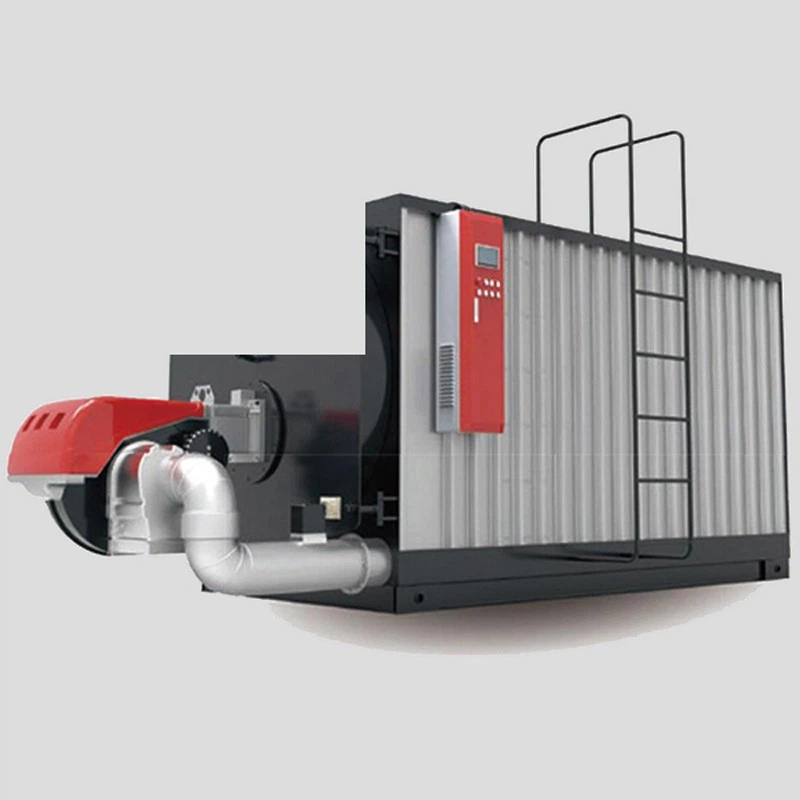

Real - World Efficiency
In real - world applications, the efficiency of an electric hot water boiler for underfloor heating can vary depending on several factors. However, if you have a well - designed and properly installed system, you can expect to see significant energy savings compared to other heating methods. For example, some users have reported up to 30% savings on their heating bills when they switched from traditional radiators to underfloor heating with an electric hot water boiler.
Conclusion
Overall, electric hot water boilers are a highly efficient option for underfloor heating. Their high energy conversion efficiency, precise temperature control, and zoning capabilities make them a great choice for both residential and commercial properties. While there are other types of boilers available, like Vacuum Hot Water Boiler and Fully Premixed Hot Water Boiler, electric boilers offer unique advantages in terms of simplicity, ease of use, and energy efficiency.
If you're considering installing an underfloor heating system or upgrading your existing boiler, I'd highly recommend looking into electric hot water boilers. And if you have any questions or are interested in purchasing one, feel free to reach out. We're here to help you make the best choice for your heating needs.
References
- "Heating Systems Handbook" - A comprehensive guide on different types of heating systems and their efficiency.
- "Energy Efficiency in Residential Buildings" - Research report on energy - saving heating solutions.