

Hey there! As a supplier of Electric Hot Water Boilers, I'm super stoked to share with you how these nifty energy - saving electric hot water boilers work.
First off, let's understand why energy - saving is such a big deal. In today's world, we're all trying to be more eco - friendly and cut down on those energy bills. That's where energy - saving electric hot water boilers come in. They're designed to use less electricity while still giving you all the hot water you need.
So, how do they actually work? Well, at the heart of an Electric Hot Water Boiler is an electric heating element. This element is like the engine of the boiler. When you turn on the boiler, an electrical current passes through the heating element. As the current flows, it encounters resistance in the element. And according to the good old laws of physics, when there's resistance to an electrical current, heat is generated.
Think of it like this: you know how when you rub your hands together really fast, they get warm? That's because of the friction, or resistance, between your hands. In the same way, the electrical current passing through the heating element creates heat.
Once the heating element starts generating heat, it warms up the water inside the boiler. The boiler is usually a well - insulated tank. This insulation is crucial because it helps to keep the heat in. Just like wearing a warm coat on a cold day, the insulation stops the heat from escaping, so the water stays hot for longer.
Now, let's talk about the energy - saving part. Energy - saving electric hot water boilers use advanced technology to optimize the heating process. For example, some boilers have smart thermostats. These thermostats can sense the temperature of the water in the tank. Once the water reaches the desired temperature, the thermostat automatically turns off the heating element. This way, you're not wasting electricity by over - heating the water.
Let's say you set your thermostat to 60 degrees Celsius. When the water in the tank hits 60 degrees, the heating element shuts off. And when the water cools down a bit, say to 55 degrees, the thermostat turns the heating element back on to re - heat the water. It's like having a little temperature - controlling genius inside your boiler!
Another energy - saving feature is the use of variable - speed pumps. These pumps can adjust the flow rate of the water in the boiler. If you don't need a lot of hot water at once, the pump can slow down. This reduces the amount of energy needed to circulate the water. On the other hand, if you suddenly need a large amount of hot water, like when you're taking a long shower, the pump can speed up to meet the demand.
Now, how do these energy - saving electric hot water boilers compare to other types of hot water boilers? Let's take a look at Gas Fired Hot Water Boiler and Vacuum Hot Water Boiler.
Gas fired hot water boilers, as the name suggests, use gas to heat the water. They can heat water very quickly, but they also produce emissions. These emissions can be harmful to the environment. Electric hot water boilers, on the other hand, are much cleaner. They don't produce any emissions directly, so they're a more eco - friendly option.
Vacuum hot water boilers work in a different way. They use a vacuum environment to lower the boiling point of water. This allows them to heat water more efficiently in some cases. However, they can be more complex and expensive to install and maintain. Energy - saving electric hot water boilers are generally easier to install and maintain. They also tend to have a lower upfront cost.
One of the great things about energy - saving electric hot water boilers is their versatility. They can be used in a variety of settings, from small apartments to large commercial buildings. In an apartment, a small - capacity electric hot water boiler can provide enough hot water for a family's daily needs, like taking showers, doing the dishes, and doing laundry.

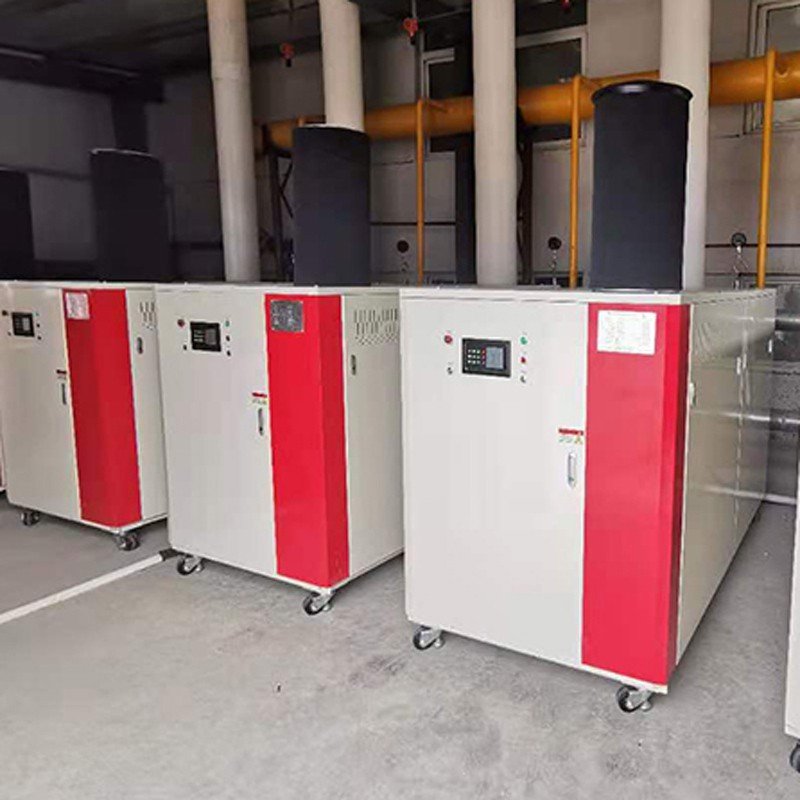
In a commercial building, such as a hotel or a restaurant, larger electric hot water boilers can be installed. These boilers can be connected in a series to meet the high demand for hot water. For example, a hotel with many rooms will need a lot of hot water for guests to take showers and use the bathrooms. An energy - saving electric hot water boiler system can be customized to fit the specific needs of the building.
When it comes to installation, energy - saving electric hot water boilers are relatively straightforward. They usually just need to be connected to an electrical supply and a water source. Most professional plumbers can install them without too much hassle.
However, it's important to make sure that the electrical supply can handle the load of the boiler. You don't want to overload your electrical system, which could cause problems like blown fuses or even electrical fires. That's why it's always a good idea to have a qualified electrician check your electrical system before installing the boiler.
Maintenance of energy - saving electric hot water boilers is also pretty simple. You should regularly check the insulation to make sure it's in good condition. If the insulation is damaged, it can reduce the energy - efficiency of the boiler. You also need to check the heating element from time to time. Over time, the heating element can wear out and may need to be replaced.
In conclusion, energy - saving electric hot water boilers are a great option for anyone looking for an eco - friendly, cost - effective way to get hot water. They use advanced technology to heat water efficiently, and they're easy to install and maintain.
If you're interested in learning more about our Electric Hot Water Boiler products or are thinking about making a purchase, don't hesitate to reach out. We're here to answer all your questions and help you find the perfect boiler for your needs. Whether you're a homeowner or a business owner, we've got the right solution for you. Let's start a conversation and see how we can meet your hot water requirements.
References:
- "Principles of Electric Heating Systems" - A technical guide on electric heating technology.
- "Energy - Efficient Home Appliances Handbook" - A resource on energy - saving features in home appliances.