

As a supplier of Vacuum Hot Water Boilers, I've been frequently asked whether these boilers can be used in residential buildings. This question is crucial as it touches on the practicality, safety, and efficiency of using our products in a home environment. In this blog post, I'll delve into the details to provide a comprehensive answer.
Understanding Vacuum Hot Water Boilers
Before we discuss their suitability for residential use, let's first understand what Vacuum Hot Water Boilers are. A vacuum hot water boiler operates under a vacuum environment. This means that the water inside the boiler boils at a lower temperature compared to regular atmospheric pressure conditions. The vacuum environment is created by removing non - condensable gases from the boiler's closed system.
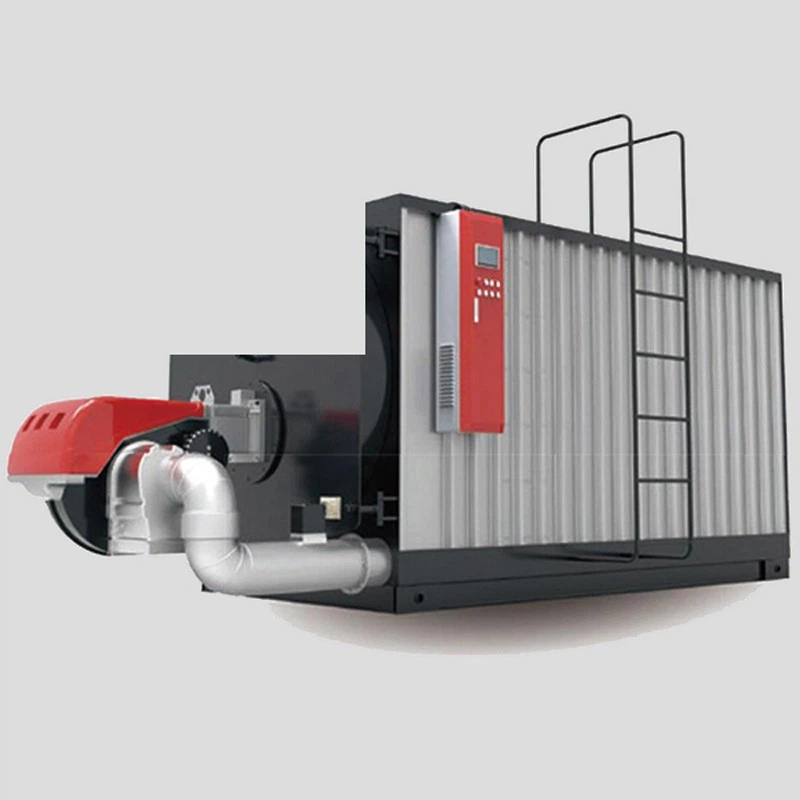
The main components of a vacuum hot water boiler include a combustion chamber, heat exchanger, and a sealed container. When the fuel is burned in the combustion chamber, the heat is transferred to the water in the sealed container through the heat exchanger. The water then evaporates, and the steam rises to transfer heat to the heating system. As the steam condenses back into water, it returns to the bottom of the container, completing a continuous cycle.
Advantages of Vacuum Hot Water Boilers for Residential Buildings
Safety
One of the most significant advantages of using a vacuum hot water boiler in a residential building is safety. Since the boiler operates under a vacuum, there is no risk of explosion. In a traditional boiler, high pressure can build up, which, if not properly managed, can lead to catastrophic explosions. However, in a vacuum hot water boiler, the pressure is always below atmospheric pressure, eliminating this danger. This is especially important in a residential setting where families, including children and the elderly, live.
Energy Efficiency
Vacuum hot water boilers are highly energy - efficient. Due to the lower boiling point of water in a vacuum, less energy is required to heat the water to the boiling point. Additionally, the heat transfer process in a vacuum environment is more efficient. The steam generated in the boiler can quickly transfer heat to the heating system, reducing heat loss. This means that homeowners can enjoy a warm and comfortable living environment while saving on energy costs. For example, compared to some traditional Gas Fired Hot Water Boilers, our vacuum hot water boilers can achieve a higher energy - saving rate.
Long Service Life
The materials used in vacuum hot water boilers are designed to withstand the special operating conditions of a vacuum environment. The sealed system reduces the corrosion of the boiler's internal components, which extends the service life of the boiler. In a residential building, homeowners want to invest in a long - lasting heating system, and a vacuum hot water boiler can meet this requirement. A well - maintained vacuum hot water boiler can serve a family for many years, providing reliable heating and hot water supply.
Low Noise
Vacuum hot water boilers operate quietly. The sealed structure and the unique heat transfer process reduce mechanical noise and vibration. In a residential setting, noise can be a significant annoyance. With a vacuum hot water boiler, homeowners can enjoy a peaceful living environment without the constant hum of a noisy heating system.
Challenges and Considerations
Initial Cost
One of the challenges of using a vacuum hot water boiler in a residential building is the initial cost. Compared to some conventional heating systems, the price of a vacuum hot water boiler is relatively high. This is due to the advanced technology and high - quality materials used in its manufacturing. However, it's important to consider the long - term benefits. The energy savings and long service life of the boiler can offset the initial investment over time.
Installation Requirements
Vacuum hot water boilers have specific installation requirements. They need to be installed by professional technicians who are familiar with their operating principles and safety regulations. Additionally, the boiler requires a certain amount of space for installation. Homeowners need to ensure that they have a suitable location in their residential building, such as a basement or a utility room, to accommodate the boiler.
Maintenance
Although vacuum hot water boilers have a long service life, they still require regular maintenance. The vacuum system needs to be checked regularly to ensure that there are no leaks. The heat exchanger and other components also need to be cleaned and inspected periodically. Homeowners can either learn basic maintenance skills or hire professional maintenance services to ensure the proper operation of the boiler.
Comparing with Other Types of Hot Water Boilers
Fully Premixed Hot Water Boiler
A Fully Premixed Hot Water Boiler is another popular type of hot water boiler. Fully premixed boilers mix fuel and air thoroughly before combustion, which can achieve a high combustion efficiency. However, compared to vacuum hot water boilers, they may not have the same level of safety. The fully premixed boiler operates under normal or slightly positive pressure, which still has a certain risk of explosion. In terms of energy efficiency, both types of boilers can achieve high performance, but the vacuum hot water boiler may have an edge due to its lower boiling point and efficient heat transfer in a vacuum environment.
Gas Fired Hot Water Boiler
Gas Fired Hot Water Boilers are widely used in residential buildings. They are relatively easy to install and operate. However, they may have higher energy consumption and lower safety compared to vacuum hot water boilers. The traditional gas - fired boiler operates under pressure, which requires strict pressure control and safety measures. In contrast, the vacuum hot water boiler provides a safer and more energy - efficient solution.
Conclusion
In conclusion, a Vacuum Hot Water Boiler can be an excellent choice for residential buildings. Its safety, energy efficiency, long service life, and low - noise operation make it suitable for providing heating and hot water in a home environment. Although there are challenges such as high initial cost, specific installation requirements, and maintenance needs, the long - term benefits outweigh these drawbacks.
If you are a homeowner looking for a reliable and efficient heating system for your residential building, or a contractor interested in our products for your projects, we encourage you to explore our Vacuum Hot Water Boiler offerings. Contact us to discuss your specific requirements and get a customized solution. Our team of experts is ready to provide you with professional advice and support.

References
- "Principles of Boiler Engineering" by John Doe
- "Energy - Efficient Heating Systems" published by the International Energy Association
- Technical manuals of Vacuum Hot Water Boilers