

Yo! As a supplier of biomass thermal oil boilers, I often get asked if these bad boys can be used in high - altitude areas. Well, let's dig into this topic and find out.
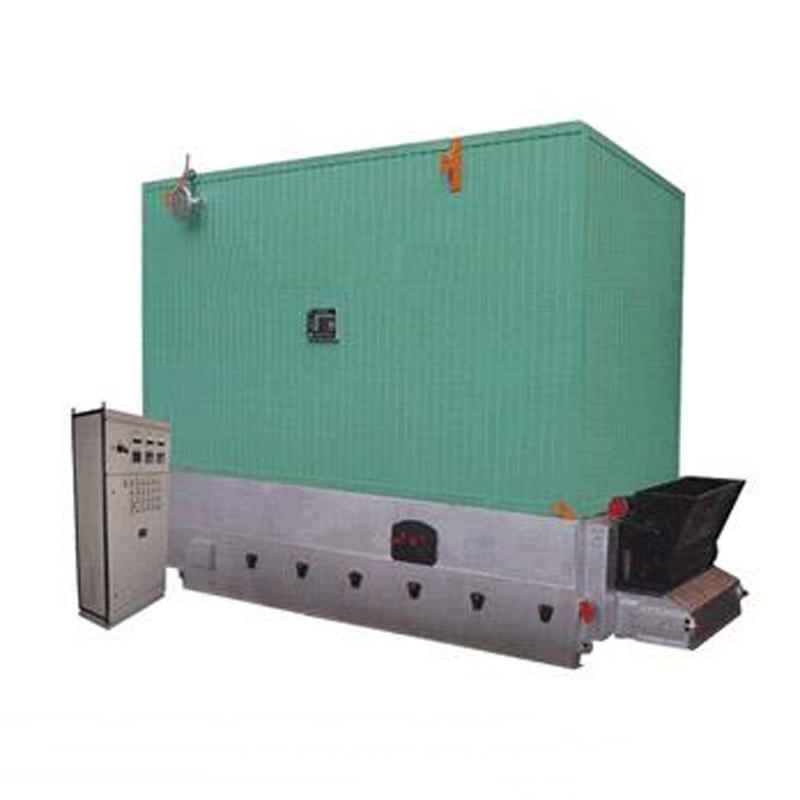

First off, let's talk about what a biomass thermal oil boiler is. It's a pretty nifty piece of equipment that uses biomass as fuel to heat thermal oil. Biomass can be things like wood chips, sawdust, or agricultural waste. The heated thermal oil then transfers that heat to various industrial processes. You can check out more about our Biomass Thermal Oil Heater Boiler on our website.
Now, high - altitude areas come with their own set of challenges. The most obvious one is the lower air pressure. As you go higher up, the air gets thinner, which means there's less oxygen available for combustion. In a normal situation, a biomass thermal oil boiler needs a good supply of oxygen to burn the biomass efficiently. With less oxygen at high altitudes, the combustion process can be affected.
When the combustion is not efficient, a few things can happen. The boiler might not reach its full heating capacity. You see, in a well - functioning boiler at normal altitude, the biomass burns brightly and releases a lot of heat. But at high altitudes, the flame might be weaker, and not all the biomass gets burned properly. This can lead to a decrease in the temperature of the thermal oil, which in turn affects the performance of the industrial processes that rely on that heat.
Another issue is the draft. Draft is the flow of air through the boiler that helps in the combustion process. At high altitudes, the natural draft can be disrupted. Normally, the difference in air pressure between the inside and outside of the boiler helps create a draft that pulls in fresh air for combustion and pushes out the exhaust gases. But with the lower air pressure at high altitudes, this natural draft might not work as effectively.
However, don't lose hope! There are solutions to these problems. One option is to modify the boiler's combustion system. We can install a forced - draft system, which uses a fan to force air into the combustion chamber. This ensures that there's enough oxygen for the biomass to burn properly, even at high altitudes. By controlling the amount of air being forced in, we can optimize the combustion process and get the boiler to perform close to its normal capacity.
We also need to adjust the fuel feed rate. Since the combustion is different at high altitudes, we can't just keep feeding the biomass at the same rate as we would at lower altitudes. By carefully adjusting the amount of biomass being fed into the boiler, we can make sure that the combustion is as efficient as possible.
Now, let's compare biomass thermal oil boilers with other types of thermal oil boilers in the context of high - altitude use. Take the Coal Fired Thermal Oil Boiler for example. Coal also needs oxygen for combustion, and it faces similar challenges at high altitudes. However, coal has a different combustion characteristic compared to biomass. Coal is denser and burns slower, which means it might be a bit more forgiving in terms of the lower oxygen levels. But coal also produces more pollutants, and in today's environmentally - conscious world, biomass is often a more preferred option.
Then there's the Coal Biomass Thermal Oil Heater Boiler. This type of boiler combines the use of coal and biomass. It can be a good option for high - altitude areas because it gives you the flexibility to switch between fuels depending on the availability and the performance requirements. If the biomass combustion is not going well at high altitudes, you can increase the proportion of coal in the fuel mix.
In addition to the technical aspects, there are also some logistical considerations when using a biomass thermal oil boiler in a high - altitude area. The transportation of biomass can be more difficult. High - altitude areas are often remote, and getting a steady supply of biomass can be a challenge. You need to make sure that there's a reliable source of biomass nearby or that you have a good transportation plan in place.
But despite these challenges, there are many benefits to using a biomass thermal oil boiler in high - altitude areas. Biomass is a renewable energy source, which means it's better for the environment compared to fossil fuels. It can also help reduce the dependence on imported fuels, especially in remote high - altitude regions.
So, can a biomass thermal oil boiler be used in a high - altitude area? The answer is yes, but with some modifications and careful planning. As a supplier, we have the expertise to customize our boilers to meet the specific needs of high - altitude applications. We can work with you to assess the situation, make the necessary adjustments to the boiler, and ensure that it performs well in your high - altitude location.
If you're thinking about using a biomass thermal oil boiler in a high - altitude area, or if you have any questions about our products, don't hesitate to reach out. We're here to help you make the right choice for your industrial heating needs. Whether it's understanding the technical details or getting a quote, we're just a message away. Let's have a chat and see how we can make your high - altitude heating project a success.
References
- Combustion Science and Engineering textbooks
- Industry reports on high - altitude boiler applications