

In the dynamic landscape of industrial energy solutions, the quest for efficient, sustainable, and cost - effective heating systems is a constant pursuit. Biomass thermal oil boilers have emerged as a promising option, and the question on many industrialists' minds is: Can a biomass thermal oil boiler be used for industrial applications? As a supplier of biomass thermal oil boilers, I am well - positioned to delve into this topic and provide comprehensive insights.
Understanding Biomass Thermal Oil Boilers
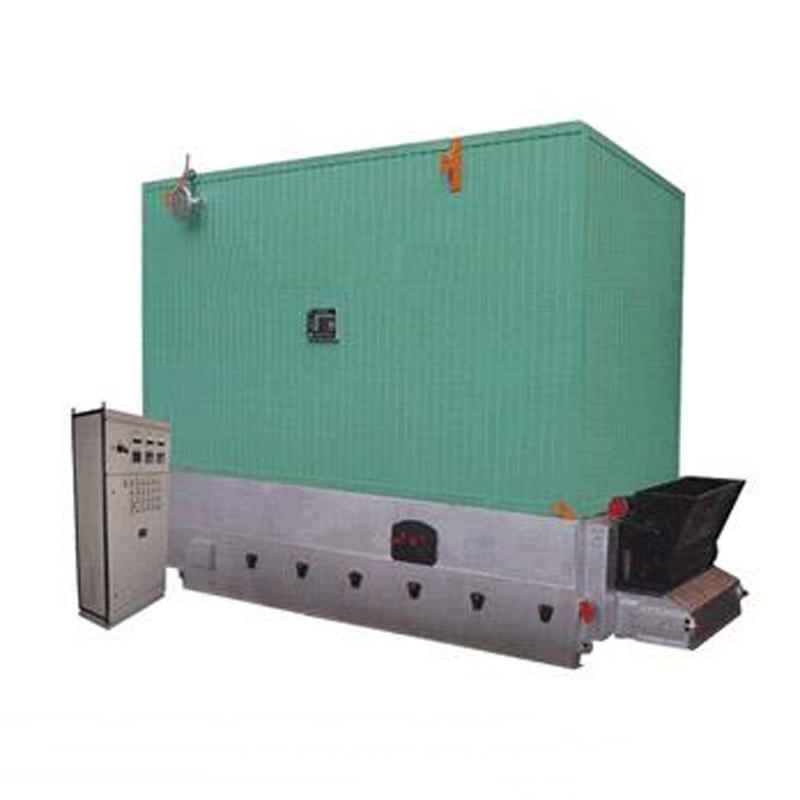
Before we assess their industrial viability, let's understand what biomass thermal oil boilers are. These boilers use biomass as a fuel source. Biomass includes organic materials such as wood chips, sawdust, agricultural residues, and dedicated energy crops. The thermal oil in the boiler acts as a heat transfer medium. When the biomass is burned, it releases heat, which is transferred to the thermal oil. The heated thermal oil then circulates through a closed - loop system to transfer the heat to the industrial processes that require it.

Advantages for Industrial Applications
1. Sustainability
One of the most significant advantages of biomass thermal oil boilers in industrial settings is their sustainability. Biomass is a renewable energy source. Unlike fossil fuels such as coal, oil, and natural gas, which are finite and contribute to greenhouse gas emissions, biomass is constantly replenished through natural processes. When biomass is burned, the carbon dioxide released is roughly equal to the amount absorbed by the plants during their growth. This creates a carbon - neutral cycle, making biomass thermal oil boilers an environmentally friendly choice for industries aiming to reduce their carbon footprint. For example, industries in the food processing sector can use these boilers to meet their heating requirements while adhering to strict environmental regulations.
2. Cost - effectiveness
Biomass is often more cost - effective than traditional fossil fuels. In many regions, biomass materials are readily available at a lower cost compared to coal or oil. Additionally, the long - term cost stability of biomass is an attractive feature for industries. Fossil fuel prices are subject to market fluctuations, geopolitical tensions, and supply - demand imbalances. In contrast, biomass prices are relatively stable, allowing industries to better predict and manage their energy costs. A manufacturing plant that requires a large amount of heat for its production processes can significantly reduce its energy expenditure by switching to a biomass thermal oil boiler.
3. Versatility
Biomass thermal oil boilers offer high versatility in industrial applications. They can provide a wide range of temperatures, making them suitable for various industrial processes. For instance, in the chemical industry, different reactions require specific temperature ranges. Biomass thermal oil boilers can be adjusted to meet these precise temperature requirements. They can also be used in textile manufacturing for processes such as dyeing and drying, and in the paper industry for pulp cooking and paper drying.
Real - world Industrial Examples
Many industries have already recognized the benefits of biomass thermal oil boilers and have successfully integrated them into their operations.
1. Food and Beverage Industry
In the food and beverage industry, maintaining strict hygiene and temperature control is crucial. Biomass thermal oil boilers are used for processes such as pasteurization, sterilization, and drying. For example, a large - scale brewery can use a biomass thermal oil boiler to heat the water used in the brewing process. The consistent and controllable heat provided by the boiler ensures high - quality beer production while reducing the environmental impact of the brewery.
2. Textile Industry
The textile industry requires a significant amount of heat for processes like dyeing, printing, and finishing. Biomass thermal oil boilers can meet these heat demands efficiently. A textile mill can use the heated thermal oil to heat the dyeing vats and dry the fabrics. The use of biomass not only reduces the mill's energy costs but also makes its production processes more sustainable.
Challenges and Solutions
1. Fuel Quality and Supply
One of the challenges associated with biomass thermal oil boilers is the variability in fuel quality and supply. Biomass materials can have different moisture contents, calorific values, and physical properties. This can affect the combustion efficiency of the boiler. To address this issue, we, as a supplier, work closely with our clients to ensure a consistent supply of high - quality biomass fuel. We can also provide guidance on fuel storage and handling to maintain the fuel's quality.
2. Boiler Maintenance
Like any industrial equipment, biomass thermal oil boilers require regular maintenance. The combustion of biomass can lead to the formation of ash and deposits in the boiler, which can reduce its efficiency over time. Our company offers comprehensive maintenance services, including regular inspections, cleaning, and component replacement. We also provide training to our clients' staff on proper boiler operation and maintenance to ensure the long - term performance of the boilers.
Comparison with Other Boiler Types
1. Coal - fired Boilers
Coal - fired boilers have been widely used in industrial applications for a long time. However, they have several drawbacks compared to biomass thermal oil boilers. Coal is a non - renewable resource and is a major contributor to air pollution, including the emission of particulate matter, sulfur dioxide, and nitrogen oxides. In contrast, biomass thermal oil boilers are more environmentally friendly. If you are interested in a comparison between coal - fired and biomass - based solutions, you can visit Coal Fired Thermal Oil Boiler.
2. Gas - fired Boilers
Gas - fired boilers are known for their high efficiency and clean combustion. However, natural gas prices can be volatile, and the supply can be affected by pipeline disruptions and international gas market dynamics. Biomass thermal oil boilers offer more stable energy costs and a more sustainable fuel source. For a detailed look at biomass - related options, check out Biomass Thermal Oil Heater Boiler and Coal Biomass Thermal Oil Heater Boiler.
Conclusion
In conclusion, biomass thermal oil boilers are well - suited for industrial applications. Their sustainability, cost - effectiveness, and versatility make them an attractive option for a wide range of industries. While there are some challenges, such as fuel quality and maintenance, these can be effectively addressed with proper planning and support from a reliable supplier.
If you are an industrial operator looking for an efficient and sustainable heating solution, I encourage you to consider biomass thermal oil boilers. Our company has extensive experience in providing high - quality biomass thermal oil boilers and comprehensive after - sales services. Contact us to discuss your specific requirements and explore how a biomass thermal oil boiler can benefit your industrial operations.
References
- "Biomass Energy for Industrial Applications: Technologies and Solutions" - Published by an industry research institute.
- "Sustainable Energy in the Industrial Sector" - A report by an environmental think - tank.
- "Thermal Oil Boiler Systems: Principles and Applications" - A technical manual for boiler operation and maintenance.